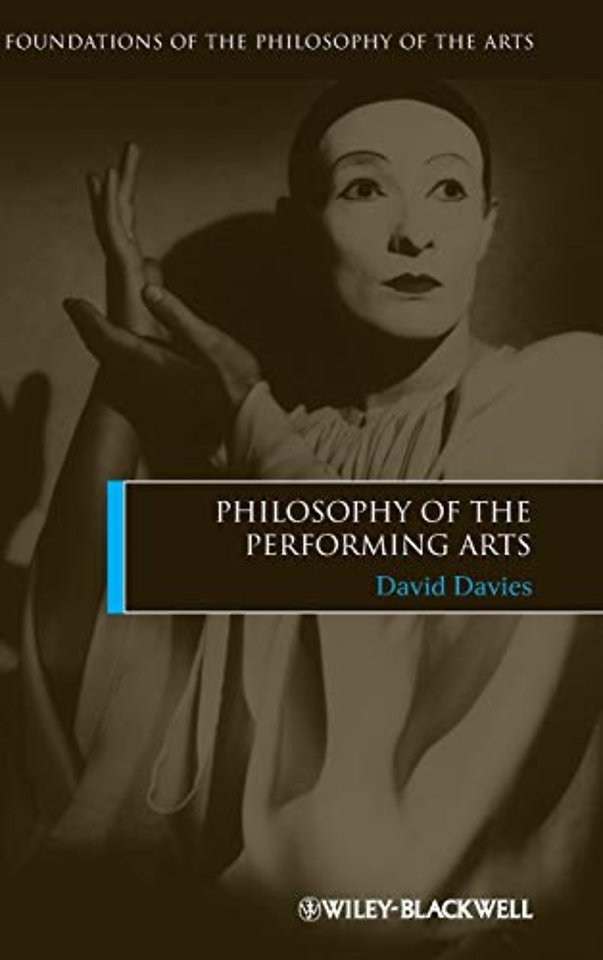
D Davies
John Wiley & Sons
e druk, 2011
9781405188029
Philosophy of the Performing Arts
Specificaties
Gebonden, 242 blz.
|
Engels
John Wiley & Sons |
e druk, 2011
ISBN13: 9781405188029
Rubricering
Juridisch
:
Onderdeel van serie
Foundations of the Philosophy of the Arts
Levertijd ongeveer 9 werkdagen
Gratis verzonden
Samenvatting
This book provides an accessible yet sophisticated introduction to the significant philosophical issues concerning the performing arts.
Presents the significant philosophical issues concerning the performing arts in an accessible style, assuming no prior knowledge
Provides a critical overview and a comprehensive framework for thinking about the performing arts
Examines the assumption that classical music provides the best model for thinking about artistic performance across the performing arts
Explores ways in which the classical paradigm might be extended to other musical genres, to theatre, and to dance
Applies the thinking on performing arts to the issue of performance art
Specificaties
Inhoudsopgave
Preface and Acknowledgments.
<p>Part One Performance and the Classical Paradigm.</p>
<p>1 The Nature of Artistic Performance.</p>
<p>1 Introduction.</p>
<p>2 What is a Performance?</p>
<p>3 Institutional Theories of Artistic Performance.</p>
<p>4 Aesthetic Theories of Artistic Performance.</p>
<p>5 Artistic Performance and Artistic Regard.</p>
<p>6 Overview.</p>
<p>2 The Classical Paradigm I: The Nature of the Performable Work.</p>
<p>1 Introduction: Berthold and Magda Go to the Symphony.</p>
<p>2 The Multiple Nature of Performable Works.</p>
<p>3 Performable Works as Types.</p>
<p>4 Varieties of Type Theories: Sonicism, Instrumentalism, and Contextualism.</p>
<p>5 Other Theories of the Performable Work.</p>
<p>3 The Classical Paradigm II: Appreciating Performable Works in Performance.</p>
<p>1 Introduction: Talking Appreciatively about Performable Works.</p>
<p>2 Can Performable Works Share Artistic Properties with Their Performances?</p>
<p>3 The Goodman Argument.</p>
<p>4 Answering the Goodman Argument.</p>
<p>4 Authenticity in Musical Performance.</p>
<p>1 Introduction.</p>
<p>2 Authenticity in the Arts.</p>
<p>3 Three Notions of Historically Authentic Performance.</p>
<p>5 Challenges to the Classical Paradigm in Music.</p>
<p>1 Introduction: The Classical Paradigm in the Performing Arts.</p>
<p>2 The Scope of the Paradigm in Classical Music.</p>
<p>3 Jazz, Rock, and the Classical Paradigm.</p>
<p>4 Non–Western Music and the Classical Paradigm.</p>
<p>6 The Scope of the Classical Paradigm: Theater, Dance, and Literature.</p>
<p>1 Introduction: Berthold and Magda Go to the Theater.</p>
<p>2 Theatrical Performances and Performable Works.</p>
<p>3 Challenges to the Classical Paradigm in Theater.</p>
<p>4 Dance and the Classical Paradigm.</p>
<p>5 The Novel as Performable Work?</p>
<p>Part Two Performance as Art.</p>
<p>7 Performances as Artworks.</p>
<p>1 Introduction: Spontaneous Performance in the Arts.</p>
<p>2 The Artistic Status of Performances Outside the Classical Paradigm.</p>
<p>3 The Artistic Status of Performances Within the Classical Paradigm.</p>
<p>8 Elements of Performance I: Improvisation and Rehearsal.</p>
<p>1 Introduction.</p>
<p>2 The Nature of Improvisation.</p>
<p>3 Improvisation and Performable Works: Three Models.</p>
<p>4 Improvisation and Recording.</p>
<p>5 The Place of Rehearsal in the Performing Arts.</p>
<p>9 Elements of Performance II: Audience and Embodiment.</p>
<p>1 Can There Be Artistic Performance Without an Audience?</p>
<p>2 Audience Response.</p>
<p>3 The Embodied Performer and the Mirroring Receiver.</p>
<p>10 Performance Art and the Performing Arts.</p>
<p>1 Introduction.</p>
<p>2 Some Puzzling Cases.</p>
<p>3 What is Performance Art?</p>
<p>4 When Do Works of Performance Art Involve Artistic Performances?</p>
<p>5 Performance as Art: A Final Case.</p>
<p>References.</p>
<p>Index.</p>
<p>Part One Performance and the Classical Paradigm.</p>
<p>1 The Nature of Artistic Performance.</p>
<p>1 Introduction.</p>
<p>2 What is a Performance?</p>
<p>3 Institutional Theories of Artistic Performance.</p>
<p>4 Aesthetic Theories of Artistic Performance.</p>
<p>5 Artistic Performance and Artistic Regard.</p>
<p>6 Overview.</p>
<p>2 The Classical Paradigm I: The Nature of the Performable Work.</p>
<p>1 Introduction: Berthold and Magda Go to the Symphony.</p>
<p>2 The Multiple Nature of Performable Works.</p>
<p>3 Performable Works as Types.</p>
<p>4 Varieties of Type Theories: Sonicism, Instrumentalism, and Contextualism.</p>
<p>5 Other Theories of the Performable Work.</p>
<p>3 The Classical Paradigm II: Appreciating Performable Works in Performance.</p>
<p>1 Introduction: Talking Appreciatively about Performable Works.</p>
<p>2 Can Performable Works Share Artistic Properties with Their Performances?</p>
<p>3 The Goodman Argument.</p>
<p>4 Answering the Goodman Argument.</p>
<p>4 Authenticity in Musical Performance.</p>
<p>1 Introduction.</p>
<p>2 Authenticity in the Arts.</p>
<p>3 Three Notions of Historically Authentic Performance.</p>
<p>5 Challenges to the Classical Paradigm in Music.</p>
<p>1 Introduction: The Classical Paradigm in the Performing Arts.</p>
<p>2 The Scope of the Paradigm in Classical Music.</p>
<p>3 Jazz, Rock, and the Classical Paradigm.</p>
<p>4 Non–Western Music and the Classical Paradigm.</p>
<p>6 The Scope of the Classical Paradigm: Theater, Dance, and Literature.</p>
<p>1 Introduction: Berthold and Magda Go to the Theater.</p>
<p>2 Theatrical Performances and Performable Works.</p>
<p>3 Challenges to the Classical Paradigm in Theater.</p>
<p>4 Dance and the Classical Paradigm.</p>
<p>5 The Novel as Performable Work?</p>
<p>Part Two Performance as Art.</p>
<p>7 Performances as Artworks.</p>
<p>1 Introduction: Spontaneous Performance in the Arts.</p>
<p>2 The Artistic Status of Performances Outside the Classical Paradigm.</p>
<p>3 The Artistic Status of Performances Within the Classical Paradigm.</p>
<p>8 Elements of Performance I: Improvisation and Rehearsal.</p>
<p>1 Introduction.</p>
<p>2 The Nature of Improvisation.</p>
<p>3 Improvisation and Performable Works: Three Models.</p>
<p>4 Improvisation and Recording.</p>
<p>5 The Place of Rehearsal in the Performing Arts.</p>
<p>9 Elements of Performance II: Audience and Embodiment.</p>
<p>1 Can There Be Artistic Performance Without an Audience?</p>
<p>2 Audience Response.</p>
<p>3 The Embodied Performer and the Mirroring Receiver.</p>
<p>10 Performance Art and the Performing Arts.</p>
<p>1 Introduction.</p>
<p>2 Some Puzzling Cases.</p>
<p>3 What is Performance Art?</p>
<p>4 When Do Works of Performance Art Involve Artistic Performances?</p>
<p>5 Performance as Art: A Final Case.</p>
<p>References.</p>
<p>Index.</p>
Net verschenen
Rubrieken
- aanbestedingsrecht
- aansprakelijkheids- en verzekeringsrecht
- accountancy
- algemeen juridisch
- arbeidsrecht
- bank- en effectenrecht
- bestuursrecht
- bouwrecht
- burgerlijk recht en procesrecht
- europees-internationaal recht
- fiscaal recht
- gezondheidsrecht
- insolventierecht
- intellectuele eigendom en ict-recht
- management
- mens en maatschappij
- milieu- en omgevingsrecht
- notarieel recht
- ondernemingsrecht
- pensioenrecht
- personen- en familierecht
- sociale zekerheidsrecht
- staatsrecht
- strafrecht en criminologie
- vastgoed- en huurrecht
- vreemdelingenrecht