James Morris
McGraw-Hill Education
e druk, 2004
9780071429696
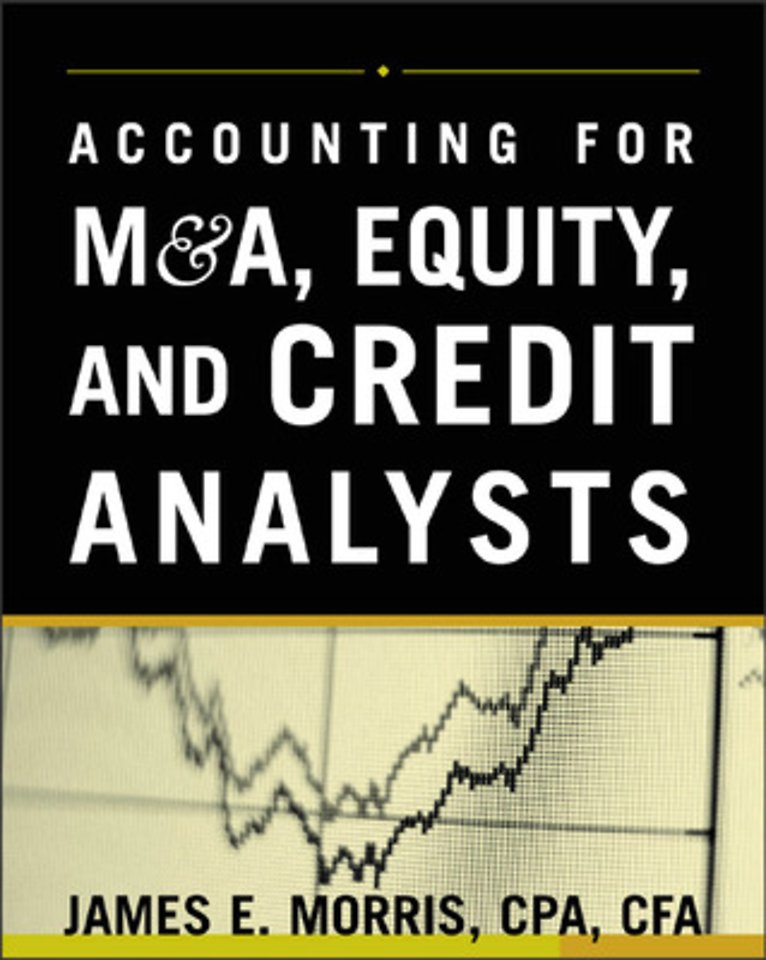
Accounting for M&A, Credit, & Equity Analysts
Specificaties
Gebonden, blz.
|
Engels
McGraw-Hill Education |
e druk, 2004
ISBN13: 9780071429696
Rubricering
Juridisch
:
Levertijd ongeveer 11 werkdagen
Gratis verzonden
Specificaties
Inhoudsopgave
Introduction<br/>List of Abbreviations<br/>Chapter 1 Equity Method of Consolidation<br/>Introduction<br/>Description of the Equity Method<br/>Tax Considerations When Using the Equity Method<br/>Accounting under the Equity Method—Excess of Cost over Equity Purchased<br/>Accounting under the Equity Method—Intercompany Transactions<br/>Guidance for Applying the Equity Method<br/>SEC Staff Views Concerning the Equity Method<br/>When to Use the Equity Method—Summary<br/>Accounting for Cash Flows from Equity Method Investments<br/>Modeling the Equity Method of Accounting in Projection Models<br/>Chapter Summary<br/>Chapter 2 Minority Interests<br/>Introduction<br/>Minority Interests<br/>Overview of Accounting for Minority Interests<br/>Treatment of Minority Interests for Enterprise Valuation<br/>Forecasting Minority Interests<br/>Treatment of Minority Interests in M&A Transactions<br/>Modeling Minority Interests<br/>Chapter Summary<br/>Chapter 3 Deferred Income Taxes and Income Tax Reporting<br/>Introduction<br/>Basic Principles of Tax Reporting<br/>The First Principle<br/>The Second Principle<br/>The Third Principle<br/>The Fourth Principle<br/>Treatment of Deferred Income Tax Items in M&A Transactions<br/>Modeling Income Taxes in Projection Models<br/>Calculating the Provision for Taxes—Detailed Calculation<br/>Chapter Summary<br/>Chapter 4 Deciphering the Deferred Tax Footnote<br/>Introduction<br/>Financial Statement Disclosure for Income Taxes<br/>Reconstructing Deferred Taxes on the Financial Statements<br/>Problems with Ratio Analysis<br/>Valuation of Deferred Tax Items<br/>Chapter Summary<br/>Chapter 5 Estimating the Tax Basis of a Firm’s Assets<br/>Introduction<br/>Factors Affecting Differences Between Asset’s Book and Tax Bases<br/>Depreciation (or Amortization) Using Different Schedules<br/>Recognizing Asset Impairments<br/>Transaction Fair Value Adjustments<br/>Asset Sales or Deemed Asset Sales<br/>Estimating the Tax Bases of Target Company’s Assets—Known Balance Sheet<br/>Estimating the Tax Bases of Target Company’s Assets—Unknown Balance Sheet<br/>Chapter Summary<br/>Chapter 6 Pension and Other Postretirement Benefits<br/>Introduction<br/>Pension versus Other Postretirement Benefit Plans<br/>Types of Pension Plans<br/>Economic Objectives of Pension Plans<br/>How Pension Plans Work<br/>Net Periodic Pension Cost<br/>Minimum Pension Liability<br/>Pension Benefits Summary<br/>Other Postretirement Benefit Plans<br/>Net Periodic Postretirement Benefit Cost<br/>Effects of Business Combinations<br/>Chapter Summary<br/>Chapter 7 Deciphering the Pension Footnote<br/>Introduction<br/>Pension Benefit Disclosure Requirements<br/>Benefit Obligation Reconciliation<br/>Plan Fair Value Reconciliation<br/>Employer Securities Included in Plan Assets<br/>Net Periodic Benefit Cost Disclosure<br/>Funded Status and Unrecognized Items<br/>Rate Disclosures<br/>Health Care Disclosures<br/>Chapter Summary<br/>Chapter 8 Analyzing the Firm’s Pension Cash Flows<br/>Introduction<br/>Estimating Future Funding Cash Flows<br/>Employer Company’s Plan Assets and Liabilities in an Acquisition<br/>Plan Liquidation Values<br/>Chapter Summary<br/>Chapter 9 Employee Stock Options<br/>Introduction<br/>The Intrinsic Valuation Method<br/>The Fair Value Method<br/>Evaluating the Firm’s Inputs to the Option-Pricing Model<br/>Tax Effects of Employee Stock Options<br/>Calculation of Diluted Earnings per Share for Companies Expensing Stock Options<br/>Accounting for Target Stock Options Rolled Over in a Purchase Acquisition<br/>Projecting Earnings Per Share (EPS) for Option-Intensive Firms<br/>Chapter Summary<br/>Chapter 10 Restructuring Charges<br/>Introduction<br/>FASB’s New Changes to Financial Accounting for Restructuring Charges<br/>Restructuring Charges—U.S. GAAP<br/>Restructuring Charges—International Accounting Standards<br/>Disclosure of Restructuring Charges<br/>Restructuring Liabilities in Business Combinations<br/>Chapter Summary<br/>Chapter 11 Discontinued Operations<br/>Introduction<br/>How Results of Discontinued Operations Impact Earnings from Continuing Operations<br/>Sources of Classification Bias<br/>Criteria for Classifying Items as Discontinued Operations<br/>The Operations Being Discontinued—Component of a Business<br/>Disposal Criteria<br/>International Accounting Treatment of Discontinued Operations<br/>Chapter Summary<br/>Chapter 12 Net Operating Loss Deductions<br/>Introduction<br/>Net Operating Loss Deductions<br/>Other Tax Considerations Relating to NOLs<br/>M&A Considerations Relating to NOLs<br/>NOL Effects on Financial (GAAP) Reporting<br/>Valuation Considerations<br/>Modeling NOL Carrybacks and Carryforwards<br/>Chapter Summary<br/>Chapter 13 Purchase Accounting for Business Combinations<br/>Introduction<br/>Purchase Accounting Basics<br/>Calculating Target Company’s Net Identifiable Assets<br/>The Net Identifiable Assets Calculation<br/>Calculating the Purchase Price<br/>Transaction Fees<br/>Fair Value of the Consideration Given<br/>Calculating Goodwill<br/>Negative Goodwill<br/>Amortization of Goodwill<br/>Accretion and Dilution of Earnings<br/>Pro Forma Presentation (as If Combined)<br/>Statements of Cash Flows Following Business Combinations<br/>Limitations on the Use of Target Company’s Net Operating Loss (NOL) Carryforwards<br/>Effects on Minority Interests in Business Combination Transactions<br/>Chapter Summary<br/>Chapter 14 Deemed Asset Sales under IRC Sections 338(h)(10) or 338(g)<br/>Introduction<br/>Overview of the Section 338(h)(10) Election<br/>Benefits of Section 338(h)(10) Sales<br/>Determining the Sale Price for a Section 338(h)(10) Election<br/>Modeling Section 338(h)(10) Transactions<br/>Chapter Summary<br/>Glossary<br/>Endnotes<br/>Index
Net verschenen
Rubrieken
- aanbestedingsrecht
- aansprakelijkheids- en verzekeringsrecht
- accountancy
- algemeen juridisch
- arbeidsrecht
- bank- en effectenrecht
- bestuursrecht
- bouwrecht
- burgerlijk recht en procesrecht
- europees-internationaal recht
- fiscaal recht
- gezondheidsrecht
- insolventierecht
- intellectuele eigendom en ict-recht
- management
- mens en maatschappij
- milieu- en omgevingsrecht
- notarieel recht
- ondernemingsrecht
- pensioenrecht
- personen- en familierecht
- sociale zekerheidsrecht
- staatsrecht
- strafrecht en criminologie
- vastgoed- en huurrecht
- vreemdelingenrecht