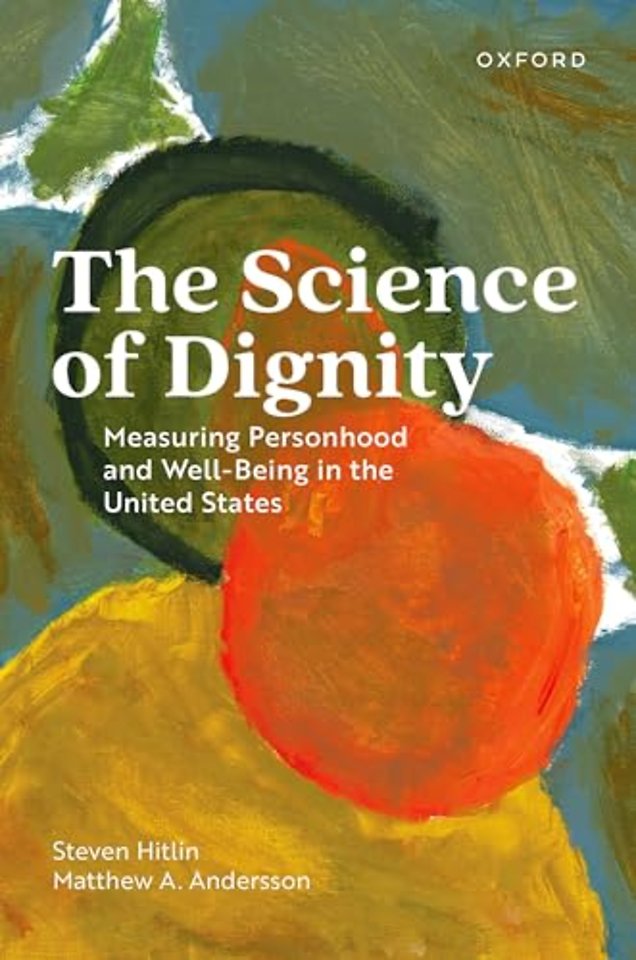
The Science of Dignity
Measuring Personhood and Well-Being in the United States
Samenvatting
This book provides original evidence arguing for dignity as an indicator of public health, by offering a scientific framework for measuring dignity and its social determinants. Hitlin and Andersson show that dignity can be efficiently measured by using simple survey items that ask individuals whether there is "dignity" in their life or in how they are treated by others. National survey data show that unhappiness, sadness, anger, and lower general health are far more common for those reporting undignified lives. These differences in reported dignity come from inequalities in social and economic resources and from experiences of disrespect, threat, or life stress. Social groups with less power generally report lower levels of dignity linked to these multifaceted resource and stress inequalities, which are examined throughout the book. Hitlin and Andersson show that dignity possesses universal value for health and well-being in America, providing a scientific basis for collective consensus and social inspiration.
Specificaties
Net verschenen
Rubrieken
- aanbestedingsrecht
- aansprakelijkheids- en verzekeringsrecht
- accountancy
- algemeen juridisch
- arbeidsrecht
- bank- en effectenrecht
- bestuursrecht
- bouwrecht
- burgerlijk recht en procesrecht
- europees-internationaal recht
- fiscaal recht
- gezondheidsrecht
- insolventierecht
- intellectuele eigendom en ict-recht
- management
- mens en maatschappij
- milieu- en omgevingsrecht
- notarieel recht
- ondernemingsrecht
- pensioenrecht
- personen- en familierecht
- sociale zekerheidsrecht
- staatsrecht
- strafrecht en criminologie
- vastgoed- en huurrecht
- vreemdelingenrecht