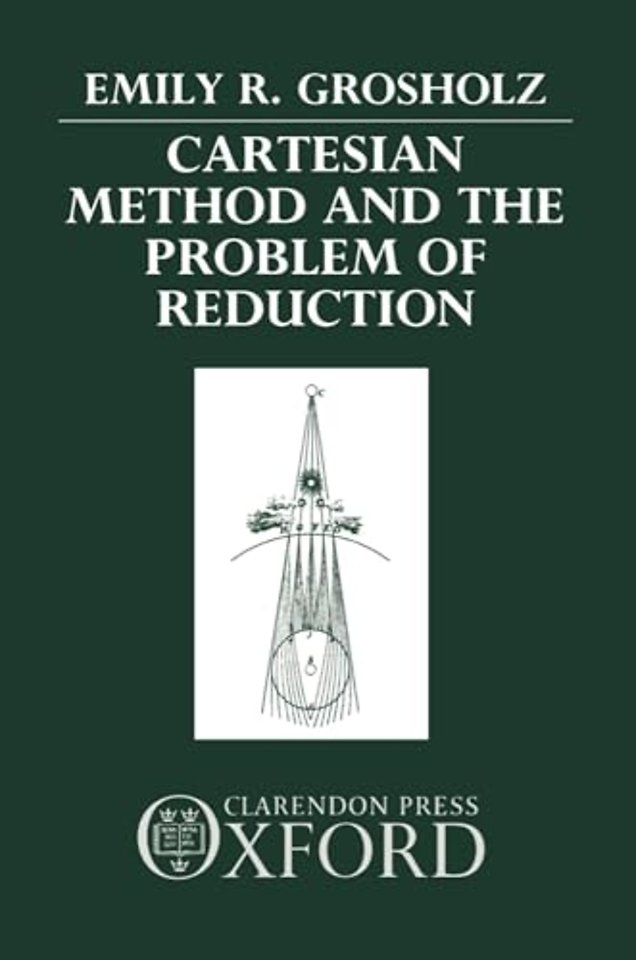
Cartesian Method and the Problem of Reduction
Samenvatting
Cartesian method, construed as a way of organizing domains of knowledge according to the `order of reason', was a powerful reductive tool. Descartes produced important results in mathematics, physics, and metaphysics by relating certain complex items and problems back to simpler elements that serve as starting points for his inquiries. However, his reductive method also impoverished these domains in important ways, for it tended to restrict geometry to the study of
straight line segments, physics to the study of ambiguously constituted bits of matter in motion, and metaphysics to the study of the isolated, incorporeal knower. This book examines in detail the impact, negative and positive, of Descartes's method on his scientific and philosophical enterprises,
exemplified by the Geometry, the Principles, the Treatise of Man, and the Meditations.
Specificaties
Inhoudsopgave
Vaak samen gekocht

Anderen die dit boek kochten, kochten ook
-
 Bert Keizer€ 29,99
 -
Marieke van Meijeren€ 23,95
-
Sigmund Freud€ 14,90
-
Gabriel García Márquez€ 20,99
-
Bert Breij€ 24,95
-
Matt Haig€ 24,99



Net verschenen
Rubrieken
- aanbestedingsrecht
- aansprakelijkheids- en verzekeringsrecht
- accountancy
- algemeen juridisch
- arbeidsrecht
- bank- en effectenrecht
- bestuursrecht
- bouwrecht
- burgerlijk recht en procesrecht
- europees-internationaal recht
- fiscaal recht
- gezondheidsrecht
- insolventierecht
- intellectuele eigendom en ict-recht
- management
- mens en maatschappij
- milieu- en omgevingsrecht
- notarieel recht
- ondernemingsrecht
- pensioenrecht
- personen- en familierecht
- sociale zekerheidsrecht
- staatsrecht
- strafrecht en criminologie
- vastgoed- en huurrecht
- vreemdelingenrecht