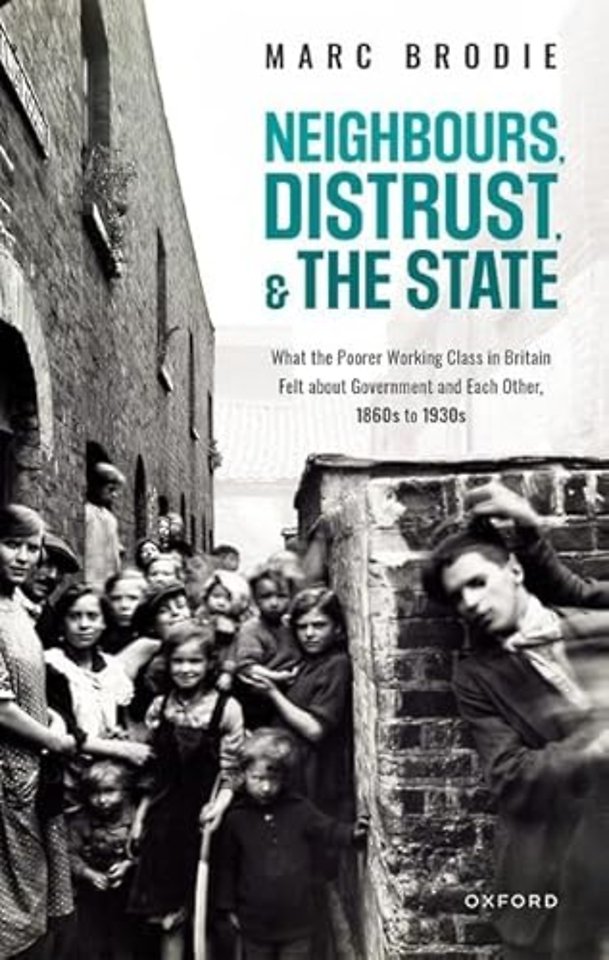
Neighbours, Distrust, and the State
What the Poorer Working Class in Britain Felt about Government and Each Other, 1860s to 1930s
Samenvatting
Neighbours, Distrust, and the State overturns many of our ideas about how the poorer working class lived together, and thought about each other, from the mid-nineteenth to the mid-twentieth century. The reality was quite different to what has been the accepted historical belief; that of an unbreakable solidarity between neighbours against 'outsiders', particularly in rejecting any interference by government in their lives and communities. But the views of women and others who were less powerful in these neighbourhoods have often been ignored. This study shows the diversity of opinion-and tensions and fears-that existed. In fact, many of the poor wanted the authorities to have a bigger role, particularly to deal with neighbourhood problems and the personal failings and untrustworthiness of those they saw around them. Many people also just wanted better provision of services by the state. As well as being a direct challenge to much that has been written about this issue, this study is also timely because of its contemporary political relevance. Many of the points it makes are important to challenge the idea that comprehending a 'lost' solidarity of working-class neighbourhoods is the only way to understand current political developments in those areas. It looks at issues such as: relationships with the police; friendly societies; housing; compulsory education; and the extent to which Labour politicians did or did not represent the views of the poor.
Specificaties
Net verschenen
Rubrieken
- aanbestedingsrecht
- aansprakelijkheids- en verzekeringsrecht
- accountancy
- algemeen juridisch
- arbeidsrecht
- bank- en effectenrecht
- bestuursrecht
- bouwrecht
- burgerlijk recht en procesrecht
- europees-internationaal recht
- fiscaal recht
- gezondheidsrecht
- insolventierecht
- intellectuele eigendom en ict-recht
- management
- mens en maatschappij
- milieu- en omgevingsrecht
- notarieel recht
- ondernemingsrecht
- pensioenrecht
- personen- en familierecht
- sociale zekerheidsrecht
- staatsrecht
- strafrecht en criminologie
- vastgoed- en huurrecht
- vreemdelingenrecht