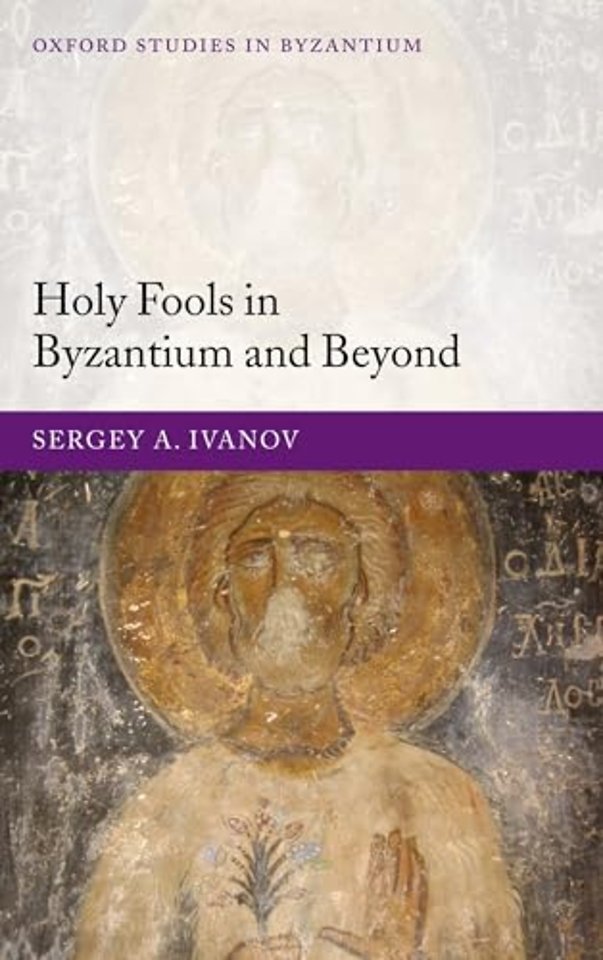
Holy Fools in Byzantium and Beyond
Samenvatting
There are saints in Orthodox Christian culture who overturn the conventional concept of sainthood. Their conduct may be unruly and salacious, they may blaspheme and even kill - yet, mysteriously, those around them treat them with even more reverence. Such saints are called 'holy fools'. In this pioneering study Sergey A. Ivanov examines the phenomenon of holy foolery from a cultural standpoint. He identifies its prerequisites and its development in religious thought, and traces the emergence of the first hagiographic texts describing these paradoxical saints. He describes the beginnings of holy foolery in Egyptian monasteries of the fifth century, followed by its high point in the cities of Byzantium, with an eventual decline in the twelfth to fourteenth centuries. He also compares the important Russian tradition of holy fools, which in some form has survived to this day.
Specificaties
Net verschenen
Rubrieken
- aanbestedingsrecht
- aansprakelijkheids- en verzekeringsrecht
- accountancy
- algemeen juridisch
- arbeidsrecht
- bank- en effectenrecht
- bestuursrecht
- bouwrecht
- burgerlijk recht en procesrecht
- europees-internationaal recht
- fiscaal recht
- gezondheidsrecht
- insolventierecht
- intellectuele eigendom en ict-recht
- management
- mens en maatschappij
- milieu- en omgevingsrecht
- notarieel recht
- ondernemingsrecht
- pensioenrecht
- personen- en familierecht
- sociale zekerheidsrecht
- staatsrecht
- strafrecht en criminologie
- vastgoed- en huurrecht
- vreemdelingenrecht