Samenvatting
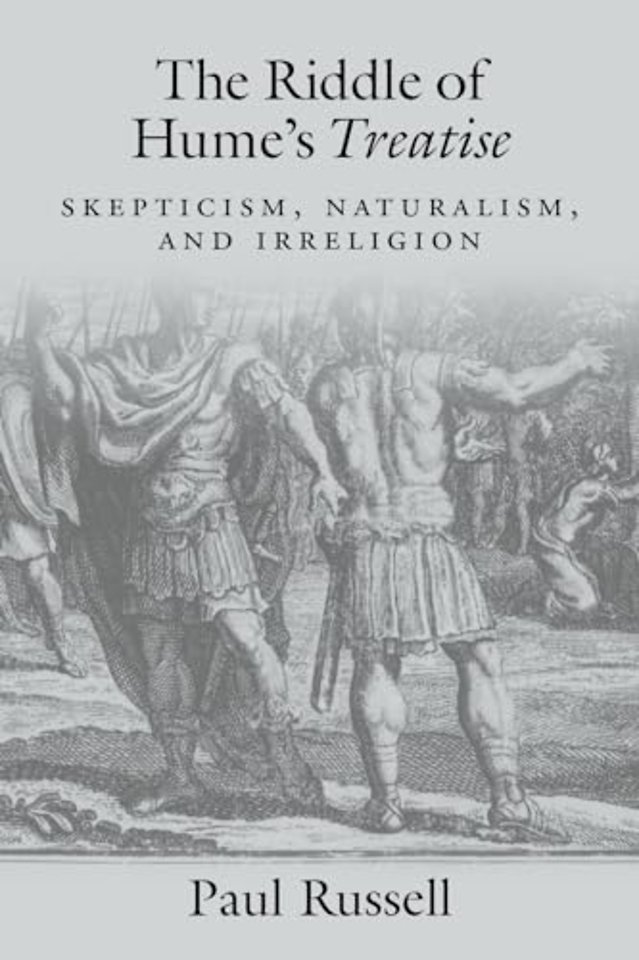
Although it is widely recognized that David Hume's A Treatise of Human Nature (1729-40) belongs among the greatest works of philosophy, there is little aggreement about the correct way to interpret his fundamental intentions.
The solution to this riddle depends on challenging another, closely related, point of orthodoxy: namely, that before Hume published the Treatise he removed almost all material concerned with problems of religion. Russell argues, contrary to this view, that irreligious aims and objectives are fundamental to the Treatise and account for its underlying unity and coherence. It is Hume's basic anti-Christian aims and objectives that serve to shape and direct both his skeptical and naturalistic commitments. When Hume's arguments are viewed from this perspective we can solve, not only puzzles arising from his discussion of various specific issues, we can also explain the intimate and intricate connections that hold his entire project together.
This "irreligious" interpretation provides a comprehensive fresh account of the nature of Hume's fundamental aims and ambitions in the Treatise. It also presents a radically different picture of the way in which Hume's project was rooted in the debates and controversies of his own time, placing the Treatise in an irreligious or anti-Christian philosophical tradition that includes Hobbes, Spinoza and freethinking followers. Considered in these terms, Hume's Treatise constitutes the crowning achievement of the Radical Enlightenment.
Specificaties
Net verschenen
Rubrieken
- aanbestedingsrecht
- aansprakelijkheids- en verzekeringsrecht
- accountancy
- algemeen juridisch
- arbeidsrecht
- bank- en effectenrecht
- bestuursrecht
- bouwrecht
- burgerlijk recht en procesrecht
- europees-internationaal recht
- fiscaal recht
- gezondheidsrecht
- insolventierecht
- intellectuele eigendom en ict-recht
- management
- mens en maatschappij
- milieu- en omgevingsrecht
- notarieel recht
- ondernemingsrecht
- pensioenrecht
- personen- en familierecht
- sociale zekerheidsrecht
- staatsrecht
- strafrecht en criminologie
- vastgoed- en huurrecht
- vreemdelingenrecht