Phenomenology and the Problem of Time
Samenvatting
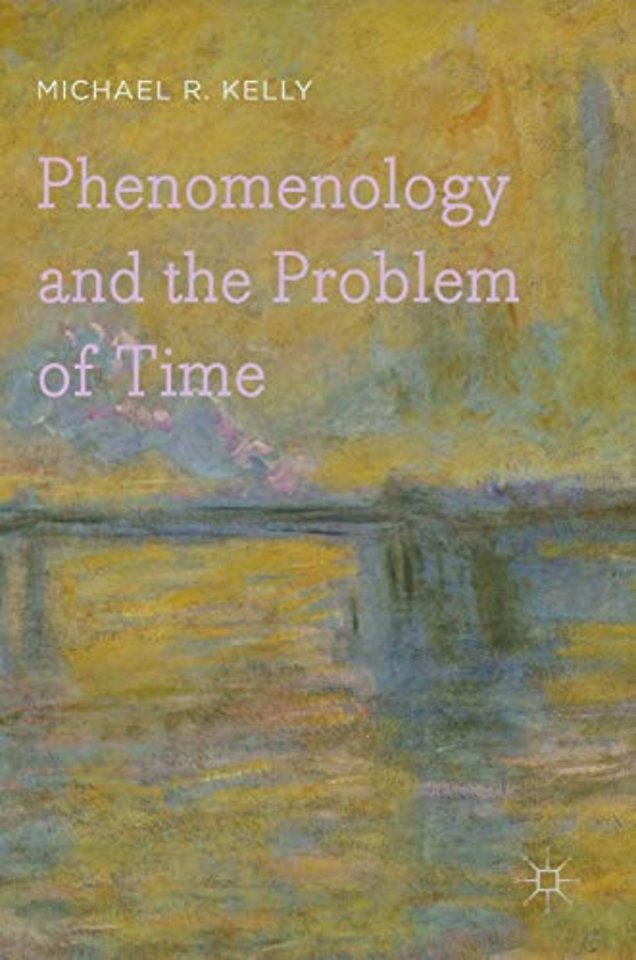
This book explores the problem of time and immanence for phenomenology in the work of Edmund Husserl, Martin Heidegger, Maurice Merleau-Ponty, and Jacques Derrida. Detailed readings of immanence in light of the more familiar problems of time-consciousness and temporality provide the framework for evaluating both Husserl's efforts to break free of modern philosophy's notions of immanence, and the influence Heidegger's criticism of Husserl exercised over Merleau-Ponty's and Derrida's alternatives to Husserl's phenomenology. Ultimately exploring various notions of intentionality, these in-depth analyses of immanence and temporality suggest a new perspective on themes central to phenomenology's development as a movement and raise for debate the question of where phenomenology begins and ends.
Specificaties
Inhoudsopgave
Net verschenen
Rubrieken
- aanbestedingsrecht
- aansprakelijkheids- en verzekeringsrecht
- accountancy
- algemeen juridisch
- arbeidsrecht
- bank- en effectenrecht
- bestuursrecht
- bouwrecht
- burgerlijk recht en procesrecht
- europees-internationaal recht
- fiscaal recht
- gezondheidsrecht
- insolventierecht
- intellectuele eigendom en ict-recht
- management
- mens en maatschappij
- milieu- en omgevingsrecht
- notarieel recht
- ondernemingsrecht
- pensioenrecht
- personen- en familierecht
- sociale zekerheidsrecht
- staatsrecht
- strafrecht en criminologie
- vastgoed- en huurrecht
- vreemdelingenrecht