,

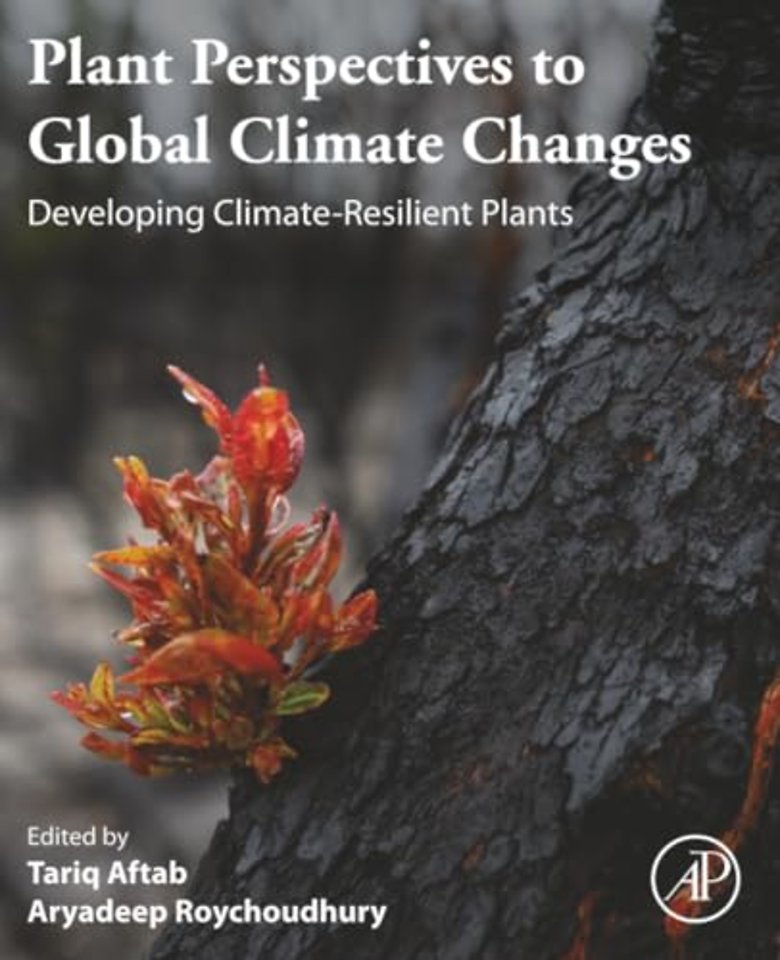
Plant Perspectives to Global Climate Changes

Developing Climate-Resilient Plants

Specificaties
Paperback, blz. | Engels
Elsevier Science | e druk, 2021
ISBN13: 9780323856652
Rubricering
Juridisch :
Elsevier Science e druk, 2021 9780323856652
€ 211,00
Levertijd ongeveer 9 werkdagen
Gratis verzonden

Samenvatting

Plant Perspectives to Global Climate Changes: Developing Climate-Resilient Plants reviews and integrates currently available information on the impact of the environment on functional and adaptive features of plants from the molecular, biochemical and physiological perspectives to the whole plant level. The book also provides a direction towards implementation of programs and practices that will enable sustainable production of crops resilient to climatic alterations. This book will be beneficial to academics and researchers working on stress physiology, stress proteins, genomics, proteomics, genetic engineering, and other fields of plant physiology.

Advancing ecophysiological understanding and approaches to enhance plant responses to new environmental conditions is critical to developing meaningful high-throughput phenotyping tools and maintaining humankind’s supply of goods and services as global climate change intensifies.

Specificaties

ISBN13:9780323856652
Taal:Engels
Bindwijze:Paperback

Inhoudsopgave

<p>1. Climate change impact on plants: Plant responses and adaptations</p> <p>2. Towards understanding abiotic stress physiological studies in plants: Conjunction of genomic and proteomic approaches</p> <p>3. Co-overexpression of genes in plants for abiotic stress tolerance</p> <p>4. Molecular investigation of plant-environment interaction at functional level</p> <p>5. Physiological, biochemical, and molecular adaptation mechanisms of photosynthesis and respiration under challenging environments</p> <p>6. Harnessing the potential of modern omics approaches to study plant biotic and abiotic stresses</p> <p>7. Soil-plant interactions for agricultural sustainability under challenging climate change</p> <p>8. Biological nitrification inhibition for sustainable crop production</p> <p>9. Application of nanoparticles in developing resilience against abiotic stress in rice plant (Oryza sativa L.)</p> <p>10. Physiological mechanisms and adaptation strategies of plants under nutrient deficiency and toxicity conditions</p> <p>11. Genomics-based approaches to improve abiotic stress tolerance in plants: Present status and future prospects</p> <p>12. Transcription factors involved in plant responses to heavy metal stress adaptation </p> <p>13. The role of soil microorganisms in plant adaptation to abiotic stresses: Current scenario and future perspectives</p> <p>14. Ecological aspects of the soil-water-plant-atmosphere system</p> <p>15. Role of miRNAi technology and miRNAs in abiotic and biotic stress resilience</p> <p>16. CRISPR-Cas9-mediated genome editing technology for abiotic stress tolerance in crop plant </p> <p>17. Reactive oxygen and nitrogen species: Antioxidant defense studies in plants</p> <p>18. Role of plant hormones in combating biotic stress in plants</p> <p>19. CRISPR-mediated genome editing for developing climate-resilient monocot and dicot crops</p> <p>20. Mechanism of temperature stress acclimation and the role of transporters in plants</p> <p>21. Role of β-aminobutyric acid in generating stress-tolerant and climate-resilient plants </p> <p>22. Wild relatives of plants as sources for the development of abiotic stress tolerance in plants</p> <p>23. Role of magnetopriming in alleviation of abiotic stress in plants</p>

Net verschenen

€ 211,00
Levertijd ongeveer 9 werkdagen
Gratis verzonden

Rubrieken

    Personen

      Trefwoorden

        Plant Perspectives to Global Climate Changes