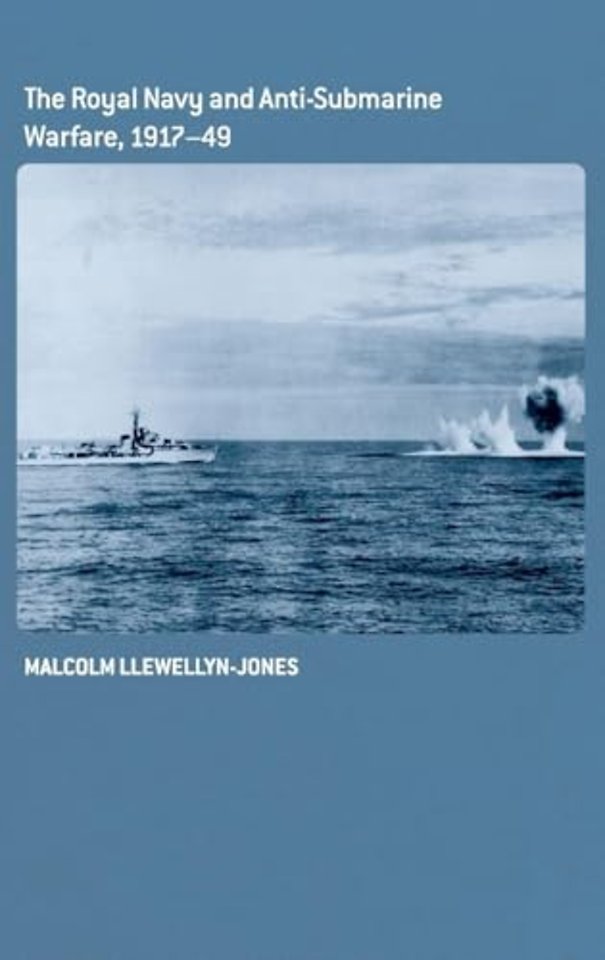
Royal Navy and Anti-Submarine Warfare, 1917-49
Samenvatting
An essential new account of how anti-submarine warfare is conducted, with a focus on both historic and present-day operations.
This new book shows how until 1944 U-boats operated as submersible torpedo craft which relied heavily on the surface for movement and charging their batteries. This pattern was repeated in WWII until Allied anti-submarine countermeasures had forced the Germans to modify their existing U-boats with the schnorkel. Countermeasures along also pushed the development of high-speed U-boats capable of continuously submerged operations.
This study shows how these improved submarines became benchmark of the post-war Russian submarine challenge. Royal Navy doctrine was developed by professional anti-submarine officers, and based on the well-tried combination of defensive and offensive anti-submarine measures that had stood the press of time since 1917, notwithstanding considerable technological change.
This consistent and holistic view of anti-submarine warfare has not been understood by most of the subsequent historians of these anti-submarine campaigns, and this book provides an essential and new insight into how Cold War, and indeed modern, anti-submarine warfare is conducted.
Specificaties
Net verschenen
Rubrieken
- aanbestedingsrecht
- aansprakelijkheids- en verzekeringsrecht
- accountancy
- algemeen juridisch
- arbeidsrecht
- bank- en effectenrecht
- bestuursrecht
- bouwrecht
- burgerlijk recht en procesrecht
- europees-internationaal recht
- fiscaal recht
- gezondheidsrecht
- insolventierecht
- intellectuele eigendom en ict-recht
- management
- mens en maatschappij
- milieu- en omgevingsrecht
- notarieel recht
- ondernemingsrecht
- pensioenrecht
- personen- en familierecht
- sociale zekerheidsrecht
- staatsrecht
- strafrecht en criminologie
- vastgoed- en huurrecht
- vreemdelingenrecht