Proust, the Body and Literary Form
Samenvatting
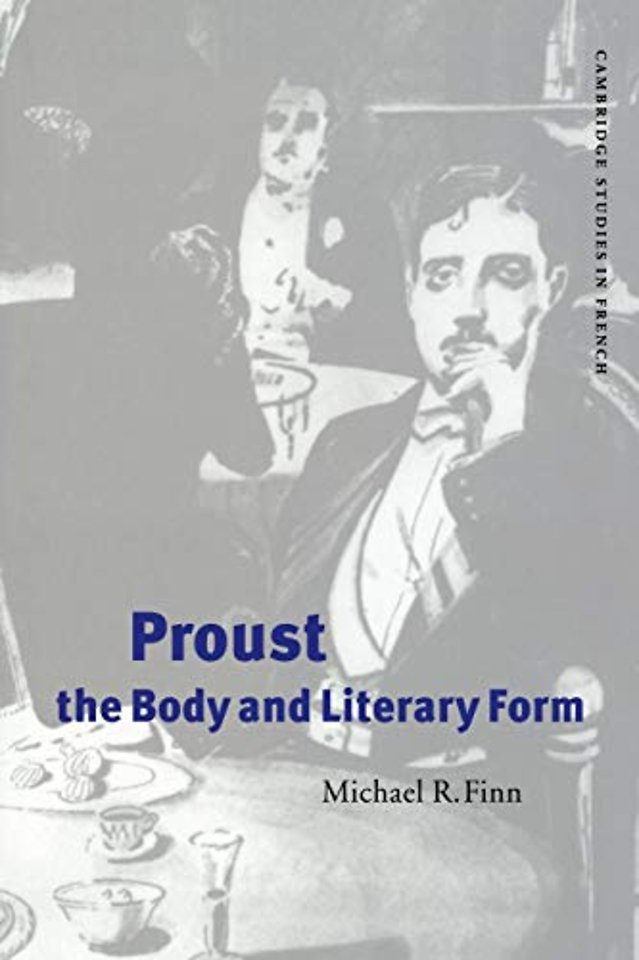
This 1999 study examines the connections between Proust's fin-de-siècle 'nervousness' and his apprehensions regarding literary form. Michael Finn shows that Proust's anxieties both about bodily weakness and about novel-writing were fed by a set of intriguing psychological and medical texts, and were mirrored in the nerve-based afflictions of earlier writers including Flaubert, Baudelaire, Nerval and the Goncourt brothers. Finn argues that once Proust cast off his concerns about being a nervous weakling he was freed to poke fun both at the supposed purity of the novel form. Hysteria - as a figure and as a theme - becomes a key to the Proustian narrative, and a certain kind of wordless, bodily copying of gesture and event is revealed to be at the heart of a writing technique which undermines many of the conventions of fiction.
Specificaties
Inhoudsopgave
Net verschenen
Rubrieken
- aanbestedingsrecht
- aansprakelijkheids- en verzekeringsrecht
- accountancy
- algemeen juridisch
- arbeidsrecht
- bank- en effectenrecht
- bestuursrecht
- bouwrecht
- burgerlijk recht en procesrecht
- europees-internationaal recht
- fiscaal recht
- gezondheidsrecht
- insolventierecht
- intellectuele eigendom en ict-recht
- management
- mens en maatschappij
- milieu- en omgevingsrecht
- notarieel recht
- ondernemingsrecht
- pensioenrecht
- personen- en familierecht
- sociale zekerheidsrecht
- staatsrecht
- strafrecht en criminologie
- vastgoed- en huurrecht
- vreemdelingenrecht