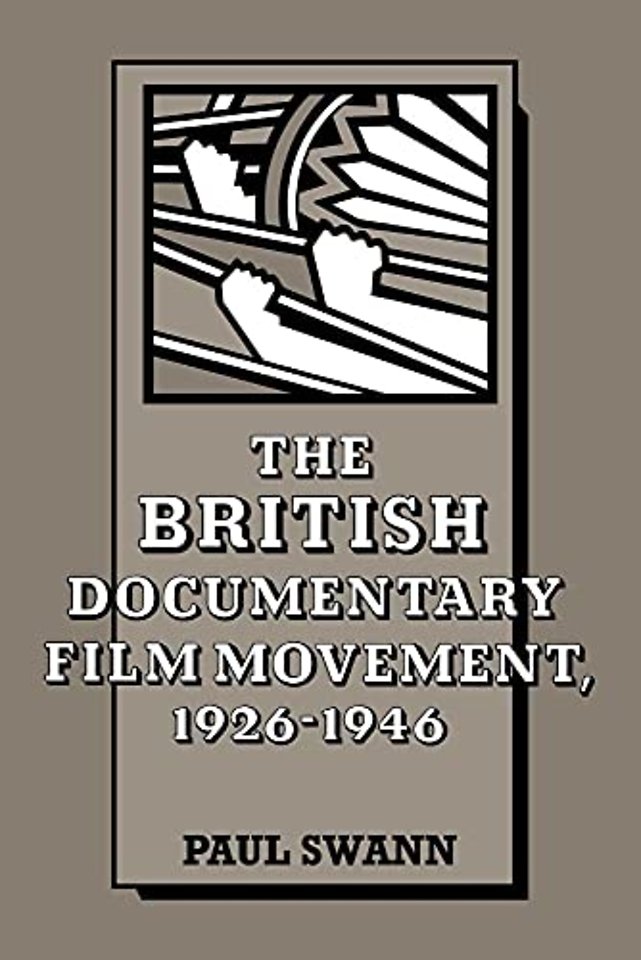
The British Documentary Film Movement, 1926–1946
Samenvatting
The most important and internationally influential development in British cinema was the documentary film movement led by John Grierson in the 1930s and 1940s. Paul Swann's study is a political and social history of this movement, which was characterized by actuality-based films made outside the commercial industry. Based upon examinations of official government records, this book provides a fascinating picture of how Grierson manipulated the civil service bureaucracy both for his own ends and, in his view, for the good of his country. The documentary movement was both a socially conscious group intent upon raising the consciousness - and consciences - of viewers, and something like a film school, providing opportunities to fledgling film-makers. Working in reaction to the escapist Hollywood films that then dominated British screens, the documentary film-makers drew upon traditions such as Soviet realism and the European avant-garde and used ordinary men and women instead of actors.
Specificaties
Inhoudsopgave
Net verschenen
Rubrieken
- aanbestedingsrecht
- aansprakelijkheids- en verzekeringsrecht
- accountancy
- algemeen juridisch
- arbeidsrecht
- bank- en effectenrecht
- bestuursrecht
- bouwrecht
- burgerlijk recht en procesrecht
- europees-internationaal recht
- fiscaal recht
- gezondheidsrecht
- insolventierecht
- intellectuele eigendom en ict-recht
- management
- mens en maatschappij
- milieu- en omgevingsrecht
- notarieel recht
- ondernemingsrecht
- pensioenrecht
- personen- en familierecht
- sociale zekerheidsrecht
- staatsrecht
- strafrecht en criminologie
- vastgoed- en huurrecht
- vreemdelingenrecht