Wendy Z. Goldman,
Wendy Z. (Carnegie Mellon University, Pennsylvania) Goldman
Cambridge University Press
e druk, 1993
9780521458160
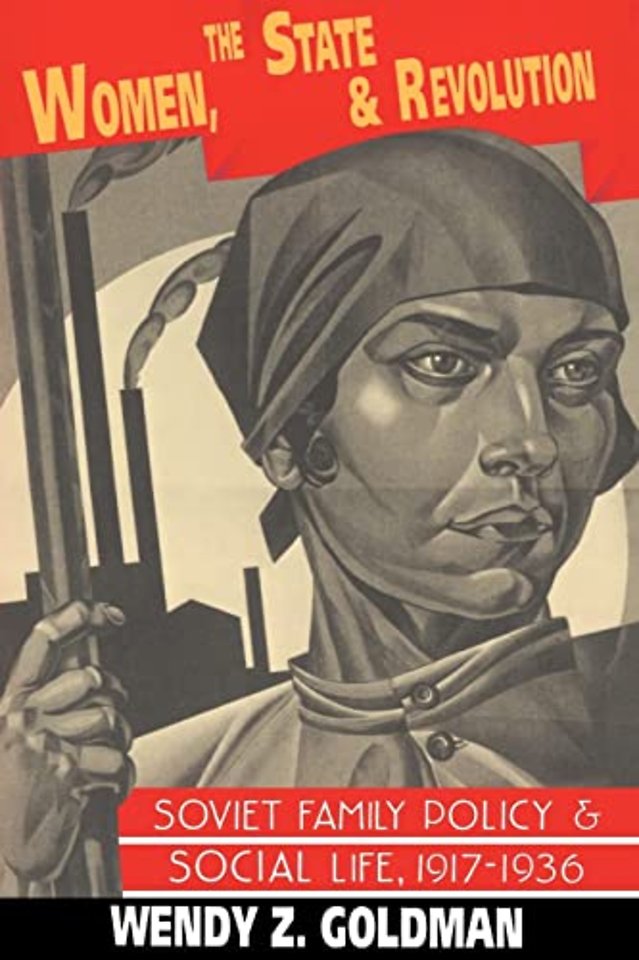
Women, the State and Revolution
Soviet Family Policy and Social Life, 1917–1936
Specificaties
Paperback, 368 blz.
|
Engels
Cambridge University Press |
e druk, 1993
ISBN13: 9780521458160
Rubricering
Juridisch
:
Onderdeel van serie
Cambridge Russian, S
Levertijd ongeveer 9 werkdagen
Gratis verzonden
Samenvatting
When the Bolsheviks came to power in 1917, they believed that under socialism the family would 'wither away.' They envisioned a society in which communal dining halls, daycare centres, and public laundries would replace the unpaid labour of women in the home. Yet by 1936 legislation designed to liberate women from their legal and economic dependence had given way to increasingly conservative solutions aimed at strengthening traditional family ties and women's reproductive role. This book explains the reversal, focusing on how women, peasants, and orphans responded to Bolshevik attempts to remake the family, and how their opinions and experiences in turn were used by the state to meet its own needs.
Specificaties
ISBN13:9780521458160
Taal:Engels
Bindwijze:Paperback
Aantal pagina's:368
Uitgever:Cambridge University Press
Serie:Cambridge Russian, S
Inhoudsopgave
1. The origins of the Bolshevik vision: love unfettered: women free; 2. The first retreat: Besprizornost and socialised childrearing; 3. Law and life collide: free union and the wage-earning population; 4. Stirring the sea of peasant stagnation; 5. Pruning the 'Bourgeois Thicket': drafting a new family code; 6. Freedom and its consequences: the debate on the 1926 family code; 7. Reproduction and the law; 8. Recasting the vision: the resurrection of the family; 9. Conclusion: the new socialist state, law and family.
Net verschenen
Rubrieken
- aanbestedingsrecht
- aansprakelijkheids- en verzekeringsrecht
- accountancy
- algemeen juridisch
- arbeidsrecht
- bank- en effectenrecht
- bestuursrecht
- bouwrecht
- burgerlijk recht en procesrecht
- europees-internationaal recht
- fiscaal recht
- gezondheidsrecht
- insolventierecht
- intellectuele eigendom en ict-recht
- management
- mens en maatschappij
- milieu- en omgevingsrecht
- notarieel recht
- ondernemingsrecht
- pensioenrecht
- personen- en familierecht
- sociale zekerheidsrecht
- staatsrecht
- strafrecht en criminologie
- vastgoed- en huurrecht
- vreemdelingenrecht