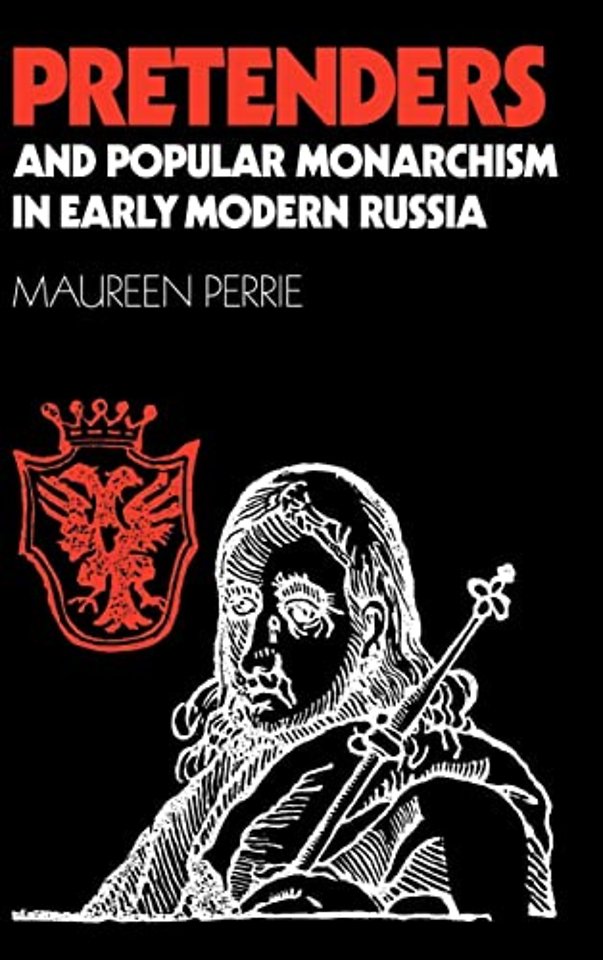
Pretenders and Popular Monarchism in Early Modern Russia
The False Tsars of the Time and Troubles
Samenvatting
More than a dozen pretenders appeared in Russia in the early seventeenth century, during the period of civil strife and foreign invasion known as the Time of Troubles. The most successful of these was the First False Dimitry, who occupied the throne in 1605–6; he was followed by Second and Third False Dimitrys, and by various other impostors. Maureen Perrie traces the careers of these pretenders and offers explanations of their success. She argues that support for the false tsars and tsareviches was influenced not only by the ingenious tales they told to justify their claims, but also by religious-miraculous notions of Christ-like rulers risen from the dead, and by 'popular monarchist' views of the true tsar as the scourge of the boyars. Her conclusion draws comparisons and contrasts between the Russian pretenders and royal impostors who appeared elsewhere in early modern Europe.
Specificaties
Inhoudsopgave
Net verschenen
Rubrieken
- aanbestedingsrecht
- aansprakelijkheids- en verzekeringsrecht
- accountancy
- algemeen juridisch
- arbeidsrecht
- bank- en effectenrecht
- bestuursrecht
- bouwrecht
- burgerlijk recht en procesrecht
- europees-internationaal recht
- fiscaal recht
- gezondheidsrecht
- insolventierecht
- intellectuele eigendom en ict-recht
- management
- mens en maatschappij
- milieu- en omgevingsrecht
- notarieel recht
- ondernemingsrecht
- pensioenrecht
- personen- en familierecht
- sociale zekerheidsrecht
- staatsrecht
- strafrecht en criminologie
- vastgoed- en huurrecht
- vreemdelingenrecht