West Indian Slavery and British Abolition, 1783–1807
Samenvatting
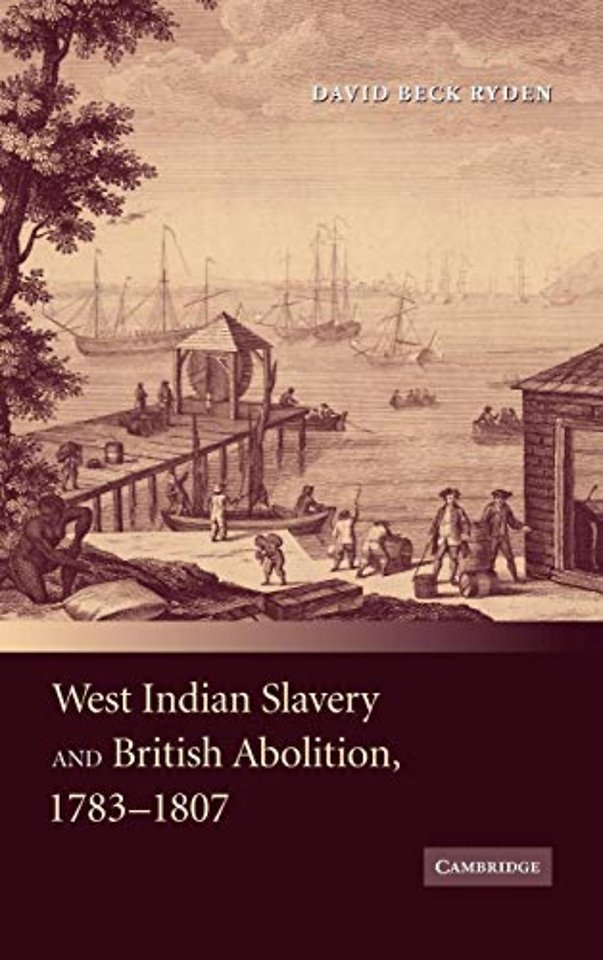
This book challenges conventional wisdom regarding the political and economic motivations behind the final decision to abolish the British slave trade in 1807. Recent historians believe that this first blow against slavery was the result of social changes inside Britain and pay little attention to the important developments that took place inside the West Indian slave economy. David Beck Ryden's research illustrates that a faltering sugar economy after 1799 tipped the scales in favor of the abolitionist argument and helped secure the passage of abolition. Ryden examines the economic arguments against slavery and the slave trade that were employed in the writings of Britain's most important abolitionists. Using a wide range of economic and business data, this study deconstructs the assertions made by both abolitionists and antiabolitionists regarding slave management, the imperial economy, and abolition.
Specificaties
Inhoudsopgave
Net verschenen
Rubrieken
- aanbestedingsrecht
- aansprakelijkheids- en verzekeringsrecht
- accountancy
- algemeen juridisch
- arbeidsrecht
- bank- en effectenrecht
- bestuursrecht
- bouwrecht
- burgerlijk recht en procesrecht
- europees-internationaal recht
- fiscaal recht
- gezondheidsrecht
- insolventierecht
- intellectuele eigendom en ict-recht
- management
- mens en maatschappij
- milieu- en omgevingsrecht
- notarieel recht
- ondernemingsrecht
- pensioenrecht
- personen- en familierecht
- sociale zekerheidsrecht
- staatsrecht
- strafrecht en criminologie
- vastgoed- en huurrecht
- vreemdelingenrecht