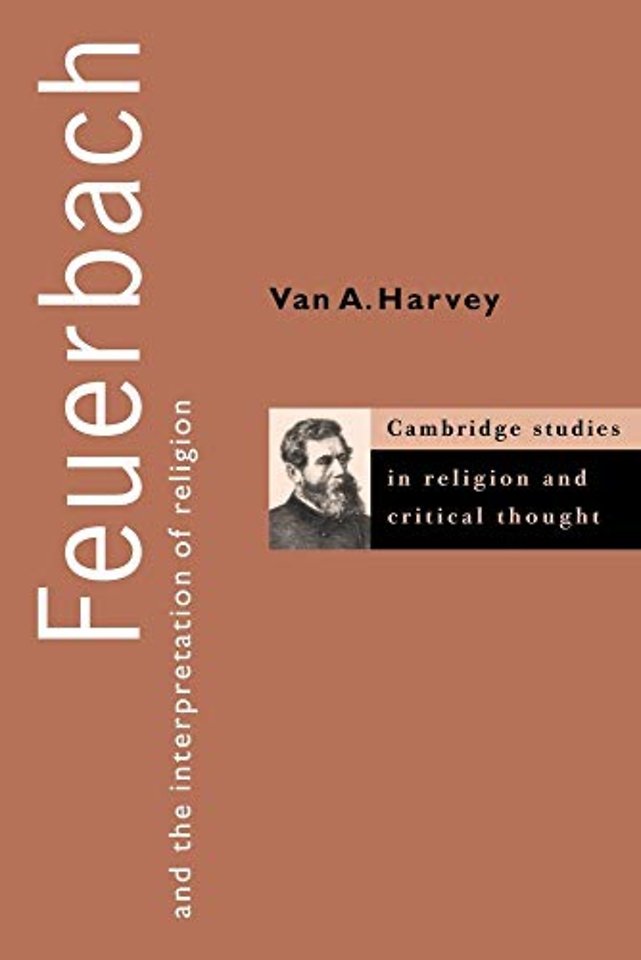
Feuerbach and the Interpretation of Religion
Samenvatting
Ludwig Feuerbach is traditionally regarded as a significant but transitional figure in the development of nineteenth-century German thought. Readings of Feuerbach's The Essence of Christianity tend to focus on those features which made it seem liberating to the Young Hegelians: namely, its criticism of reification as abstraction, and its interpretation of religion as alienation. In this book, Van Harvey claims that this is a limited and inadequate view of Feuerbach's work, especially of his critique of religion. The author argues that Feuerbach's philosophical development led him to a much more complex and interesting theory of religion which he expounded in works which have been virtually ignored hitherto. By exploring these works, Harvey gives them a significant contemporary re-statement, and brings Feuerbach into conversation with a number of modern theorists of religion.
Specificaties
Inhoudsopgave
Net verschenen
Rubrieken
- aanbestedingsrecht
- aansprakelijkheids- en verzekeringsrecht
- accountancy
- algemeen juridisch
- arbeidsrecht
- bank- en effectenrecht
- bestuursrecht
- bouwrecht
- burgerlijk recht en procesrecht
- europees-internationaal recht
- fiscaal recht
- gezondheidsrecht
- insolventierecht
- intellectuele eigendom en ict-recht
- management
- mens en maatschappij
- milieu- en omgevingsrecht
- notarieel recht
- ondernemingsrecht
- pensioenrecht
- personen- en familierecht
- sociale zekerheidsrecht
- staatsrecht
- strafrecht en criminologie
- vastgoed- en huurrecht
- vreemdelingenrecht