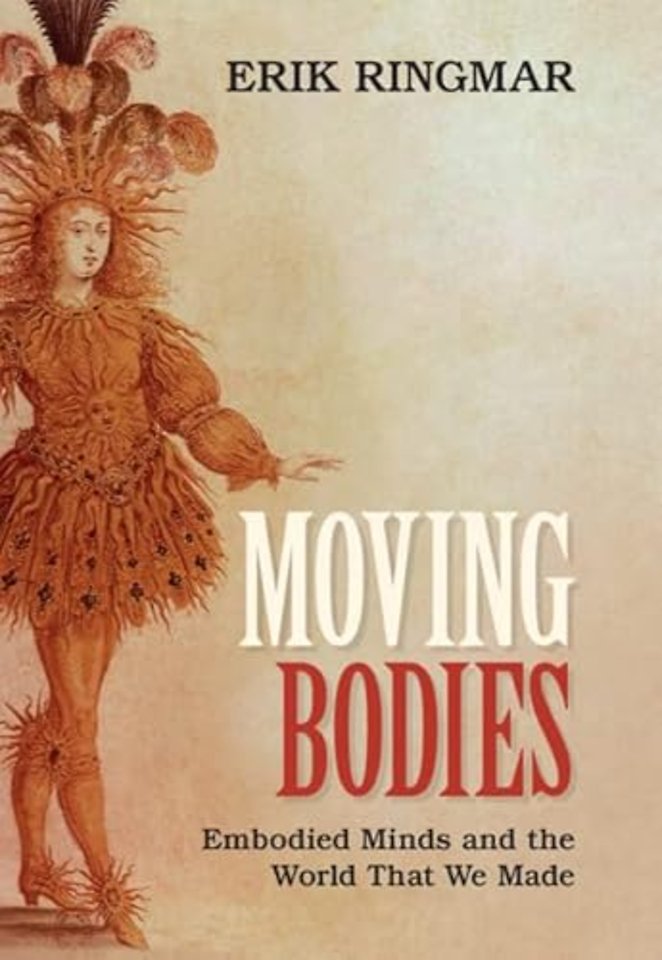
Moving Bodies
Embodied Minds and the World That We Made
Samenvatting
Increasingly we have come to live in our heads, leaving our bodies behind. The consequences have been far-reaching, of which cognitive theory has warned us, advocating a 'return to the body.' This book employs several case studies-kings performing in ballets, sea captains dancing with natives, nationalists engaged in gymnastics exercises-to demonstrate what has been lost and what could be gained by a more embodied approach to living, to history. These curious movements were ways to be, to think, to know, to imagine, and to will. They highlight the limits of historical explanations focusing on cultural factors and question currently fashionable 'cultural' and 'post-modern' perspectives. Bodies, cognitive theory tells us, are the same regardless of historical context, and they engage in the same intentional activities. Returning to our bodies and their movements enables us not only to explain historical actions anew, but also to understand ourselves better.
Specificaties
Inhoudsopgave
Net verschenen
Rubrieken
- aanbestedingsrecht
- aansprakelijkheids- en verzekeringsrecht
- accountancy
- algemeen juridisch
- arbeidsrecht
- bank- en effectenrecht
- bestuursrecht
- bouwrecht
- burgerlijk recht en procesrecht
- europees-internationaal recht
- fiscaal recht
- gezondheidsrecht
- insolventierecht
- intellectuele eigendom en ict-recht
- management
- mens en maatschappij
- milieu- en omgevingsrecht
- notarieel recht
- ondernemingsrecht
- pensioenrecht
- personen- en familierecht
- sociale zekerheidsrecht
- staatsrecht
- strafrecht en criminologie
- vastgoed- en huurrecht
- vreemdelingenrecht