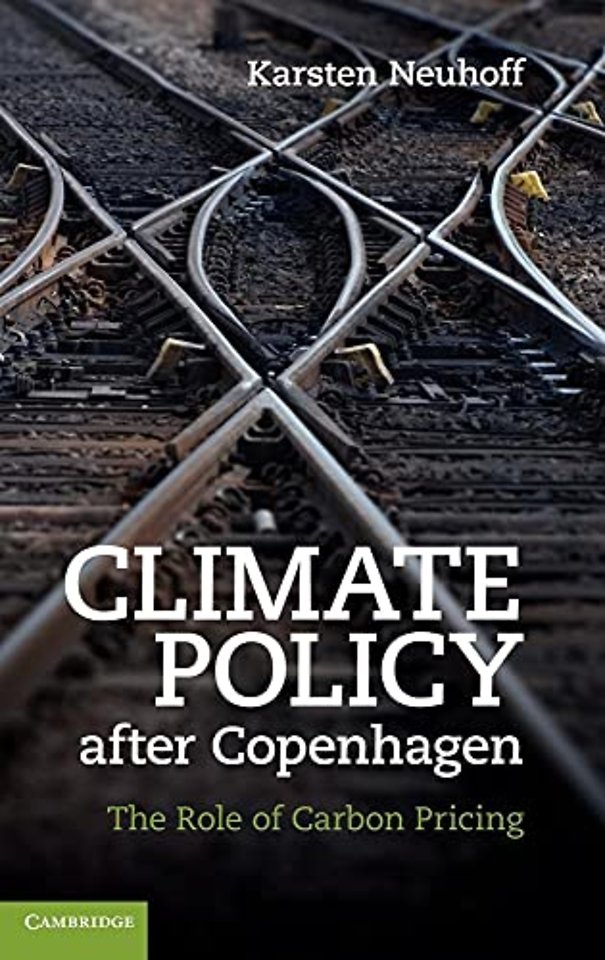
Climate Policy after Copenhagen
The Role of Carbon Pricing
Samenvatting
At the UN Climate Negotiations in Copenhagen, 117 heads of state concluded that low-carbon development is necessary in order to combat climate change. However, they also understood that transition to a low-carbon economy requires the implementation of a portfolio of policies and programs - a challenging endeavour for any nation. This book addresses the need for information about factors impacting climate policy implementation, using as a case study one effort that is at the heart of attempts to create a low-carbon future: the European Emission Trading Scheme. It explores problems surrounding the implementation of the ETS, including the role of vested interests, the impact of design details and opportunities to attract long-term investments. It also shows how international climate cooperation can be designed to support the domestic implementation of low-carbon policies. This timely analysis of carbon pricing contains important lessons for all those concerned with the development of post-Copenhagen climate policy.
Specificaties
Inhoudsopgave
Net verschenen
Rubrieken
- aanbestedingsrecht
- aansprakelijkheids- en verzekeringsrecht
- accountancy
- algemeen juridisch
- arbeidsrecht
- bank- en effectenrecht
- bestuursrecht
- bouwrecht
- burgerlijk recht en procesrecht
- europees-internationaal recht
- fiscaal recht
- gezondheidsrecht
- insolventierecht
- intellectuele eigendom en ict-recht
- management
- mens en maatschappij
- milieu- en omgevingsrecht
- notarieel recht
- ondernemingsrecht
- pensioenrecht
- personen- en familierecht
- sociale zekerheidsrecht
- staatsrecht
- strafrecht en criminologie
- vastgoed- en huurrecht
- vreemdelingenrecht