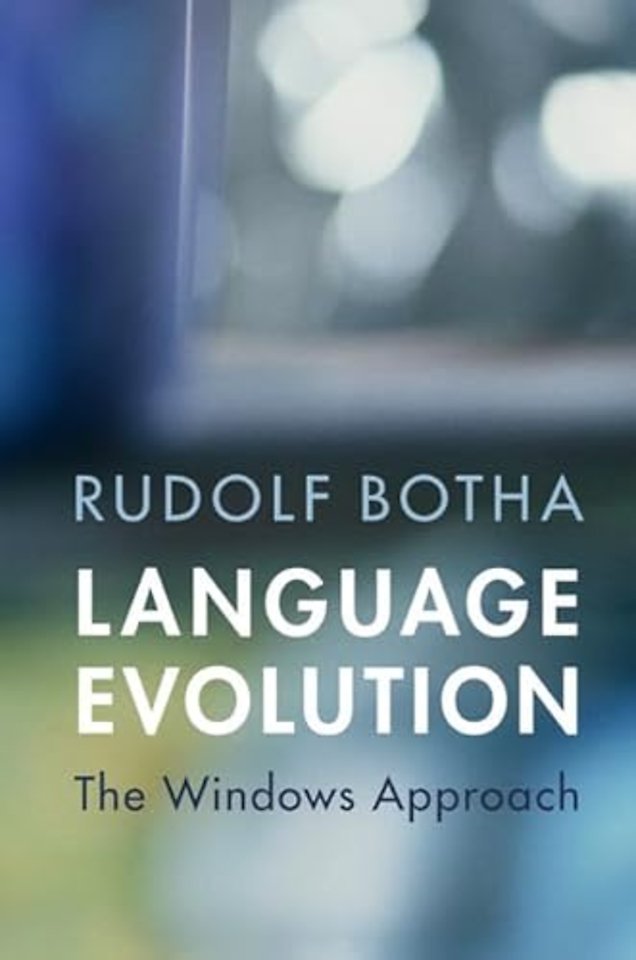
Language Evolution
The Windows Approach
Samenvatting
How can we unravel the evolution of language, given that there is no direct evidence about it? Rudolf Botha addresses this intriguing question in his fascinating new book. Inferences can be drawn about language evolution from a range of other phenomena, serving as windows into this prehistoric process. These include shell-beads, fossil skulls and ancestral brains, modern pidgin and creole languages, homesign systems and emergent sign languages, modern motherese, language use of modern hunter-gatherers, first language acquisition, similarities between language and music, and comparative animal behaviour. The first systematic analysis of the Windows Approach, it will be of interest to students and researchers in many disciplines, including anthropology, archaeology, linguistics, palaeontology and primatology, as well as anyone interested in how language evolved.
Specificaties
Inhoudsopgave
Net verschenen
Rubrieken
- aanbestedingsrecht
- aansprakelijkheids- en verzekeringsrecht
- accountancy
- algemeen juridisch
- arbeidsrecht
- bank- en effectenrecht
- bestuursrecht
- bouwrecht
- burgerlijk recht en procesrecht
- europees-internationaal recht
- fiscaal recht
- gezondheidsrecht
- insolventierecht
- intellectuele eigendom en ict-recht
- management
- mens en maatschappij
- milieu- en omgevingsrecht
- notarieel recht
- ondernemingsrecht
- pensioenrecht
- personen- en familierecht
- sociale zekerheidsrecht
- staatsrecht
- strafrecht en criminologie
- vastgoed- en huurrecht
- vreemdelingenrecht