Using Figurative Language
Samenvatting
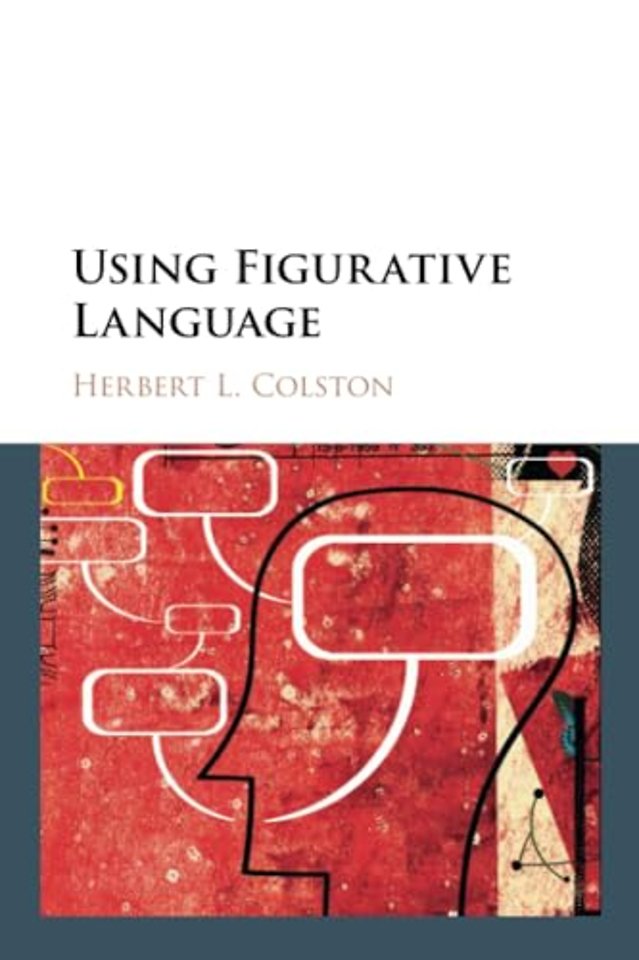
Using Figurative Language presents results from a multidisciplinary decades-long study of figurative language that addresses the question, 'Why don't people just say what they mean?' This research empirically investigates goals speakers or writers have when speaking (writing) figuratively, and concomitantly, meaning effects wrought by figurative language usage. These 'pragmatic effects' arise from many kinds of figurative language including metaphors (e.g. 'This computer is a dinosaur'), verbal irony (e.g. 'Nice place you got here'), idioms (e.g. 'Bite the bullet'), proverbs (e.g. 'Don't put all your eggs in one basket') and others. Reviewed studies explore mechanisms - linguistic, psychological, social and others - underlying pragmatic effects, some traced to basic processes embedded in human sensory, perceptual, embodied, cognitive, social and schematic functioning. The book should interest readers, researchers and scholars in fields beyond psychology, linguistics and philosophy that share interests in figurative language - including language studies, communication, literary criticism, neuroscience, semiotics, rhetoric and anthropology.
Specificaties
Inhoudsopgave
Net verschenen
Rubrieken
- aanbestedingsrecht
- aansprakelijkheids- en verzekeringsrecht
- accountancy
- algemeen juridisch
- arbeidsrecht
- bank- en effectenrecht
- bestuursrecht
- bouwrecht
- burgerlijk recht en procesrecht
- europees-internationaal recht
- fiscaal recht
- gezondheidsrecht
- insolventierecht
- intellectuele eigendom en ict-recht
- management
- mens en maatschappij
- milieu- en omgevingsrecht
- notarieel recht
- ondernemingsrecht
- pensioenrecht
- personen- en familierecht
- sociale zekerheidsrecht
- staatsrecht
- strafrecht en criminologie
- vastgoed- en huurrecht
- vreemdelingenrecht