Elections and Distributive Politics in Mubarak’s Egypt
Samenvatting
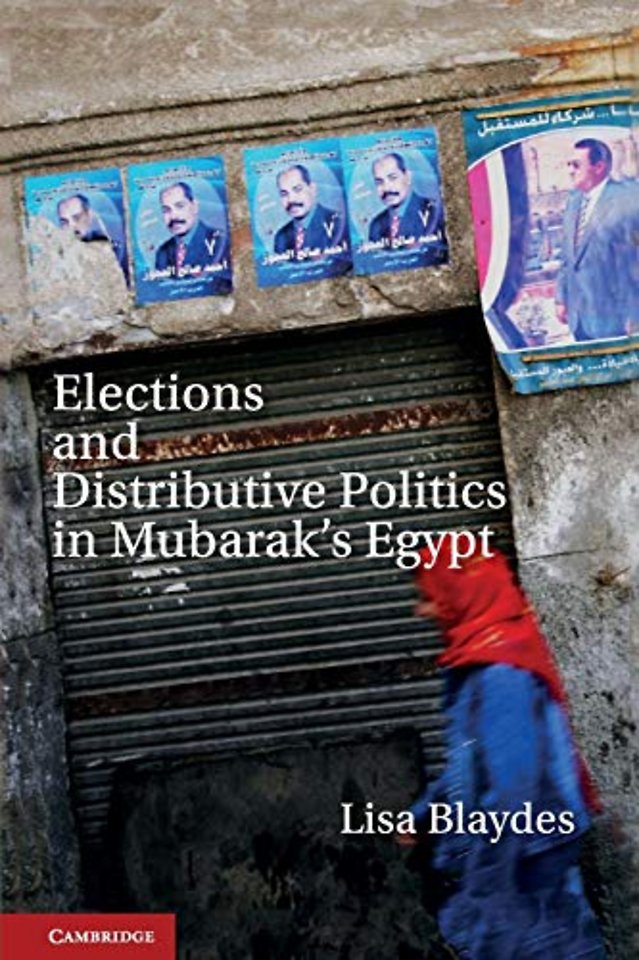
Despite its authoritarian political structure, Egypt's government has held competitive, multi-party parliamentary elections for more than 30 years. This book argues that, rather than undermining the durability of the Mubarak regime, competitive parliamentary elections ease important forms of distributional conflict, particularly conflict over access to spoils. In a comprehensive examination of the distributive consequences of authoritarian elections in Egypt, Lisa Blaydes examines the triadic relationship between Egypt's ruling regime, the rent-seeking elite that supports the regime, and the ordinary citizens who participate in these elections. She describes why parliamentary candidates finance campaigns to win seats in a legislature that lacks policymaking power, as well as why citizens engage in the costly act of voting in such a context.
Specificaties
Inhoudsopgave
Net verschenen
Rubrieken
- aanbestedingsrecht
- aansprakelijkheids- en verzekeringsrecht
- accountancy
- algemeen juridisch
- arbeidsrecht
- bank- en effectenrecht
- bestuursrecht
- bouwrecht
- burgerlijk recht en procesrecht
- europees-internationaal recht
- fiscaal recht
- gezondheidsrecht
- insolventierecht
- intellectuele eigendom en ict-recht
- management
- mens en maatschappij
- milieu- en omgevingsrecht
- notarieel recht
- ondernemingsrecht
- pensioenrecht
- personen- en familierecht
- sociale zekerheidsrecht
- staatsrecht
- strafrecht en criminologie
- vastgoed- en huurrecht
- vreemdelingenrecht