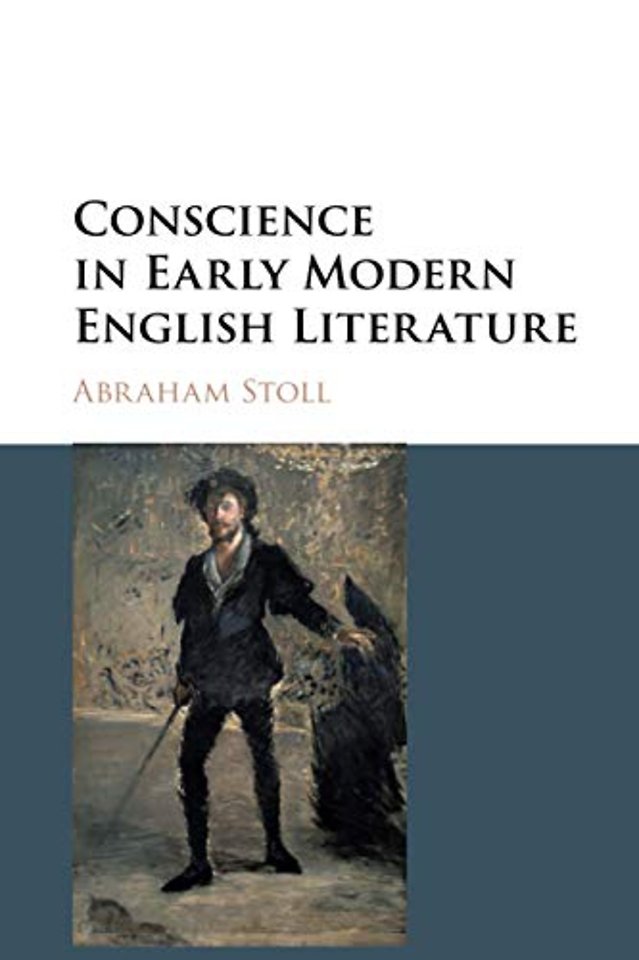
Conscience in Early Modern English Literature
Samenvatting
Conscience in Early Modern English Literature describes how poetry, theology, and politics intersect in the early modern conscience. In the wake of the Reformation, theologians attempt to understand how the faculty works, poets attempt to capture the experience of being in its grip, and revolutionaries attempt to assert its authority for political action. The result, Abraham Stoll argues, is a dynamic scene of conscience in England, thick with the energies of salvation and subjectivity, and influential in the public sphere of Civil War politics. Stoll explores how Shakespeare, Spenser, Herbert, and Milton stage the inward experience of conscience. He links these poetic scenes to Luther, Calvin, and English Reformation theology. He also demonstrates how they shape the public discourses of conscience in such places as the toleration debates, among Levellers, and in the prose of Hobbes and Milton. In the literature of the early modern conscience, Protestant subjectivity evolves toward the political subject of modern liberalism.
Specificaties
Inhoudsopgave
Net verschenen
Rubrieken
- aanbestedingsrecht
- aansprakelijkheids- en verzekeringsrecht
- accountancy
- algemeen juridisch
- arbeidsrecht
- bank- en effectenrecht
- bestuursrecht
- bouwrecht
- burgerlijk recht en procesrecht
- europees-internationaal recht
- fiscaal recht
- gezondheidsrecht
- insolventierecht
- intellectuele eigendom en ict-recht
- management
- mens en maatschappij
- milieu- en omgevingsrecht
- notarieel recht
- ondernemingsrecht
- pensioenrecht
- personen- en familierecht
- sociale zekerheidsrecht
- staatsrecht
- strafrecht en criminologie
- vastgoed- en huurrecht
- vreemdelingenrecht