Polycentricity in the European Union
Samenvatting
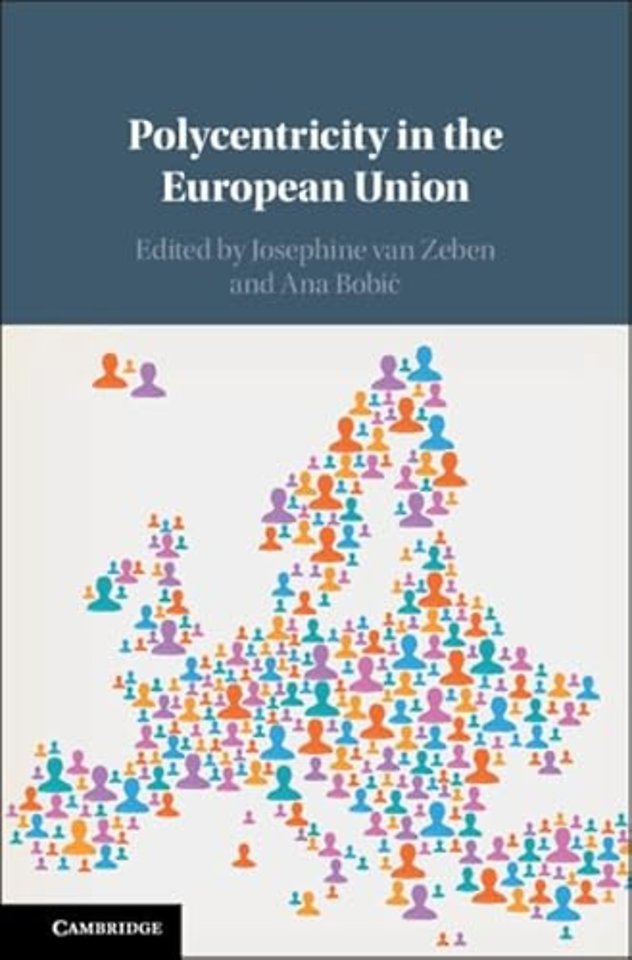
Supranational governance is being challenged by politicians and citizens around the EU as over-centralized and undemocratic. This book is premised on the idea that polycentric governance, developed by Vincent and Elinor Ostrom, is a fruitful place to start for addressing this challenge. Assessing the presence of, and potential for, polycentric governance within the EU means approaching established principles and practices from a new perspective. While the debate on these issues is rich, longstanding and interdisciplinary, it has proven difficult to sidestep the 'renationalisation/federalisation' dichotomy. The aim of this volume is not to reject the EU's institutional structure but provide a different benchmark for the assessment of its functioning. Polycentric theory highlights the importance of multilevel horizontal relationships within the EU - between states, but also between many sub-state actors, all the way down to individuals. This helps us answer the question: how do we achieve self-governance in an interdependent world?
Specificaties
Inhoudsopgave
Net verschenen
Rubrieken
- aanbestedingsrecht
- aansprakelijkheids- en verzekeringsrecht
- accountancy
- algemeen juridisch
- arbeidsrecht
- bank- en effectenrecht
- bestuursrecht
- bouwrecht
- burgerlijk recht en procesrecht
- europees-internationaal recht
- fiscaal recht
- gezondheidsrecht
- insolventierecht
- intellectuele eigendom en ict-recht
- management
- mens en maatschappij
- milieu- en omgevingsrecht
- notarieel recht
- ondernemingsrecht
- pensioenrecht
- personen- en familierecht
- sociale zekerheidsrecht
- staatsrecht
- strafrecht en criminologie
- vastgoed- en huurrecht
- vreemdelingenrecht