Historiography and Space in Late Antiquity
Samenvatting
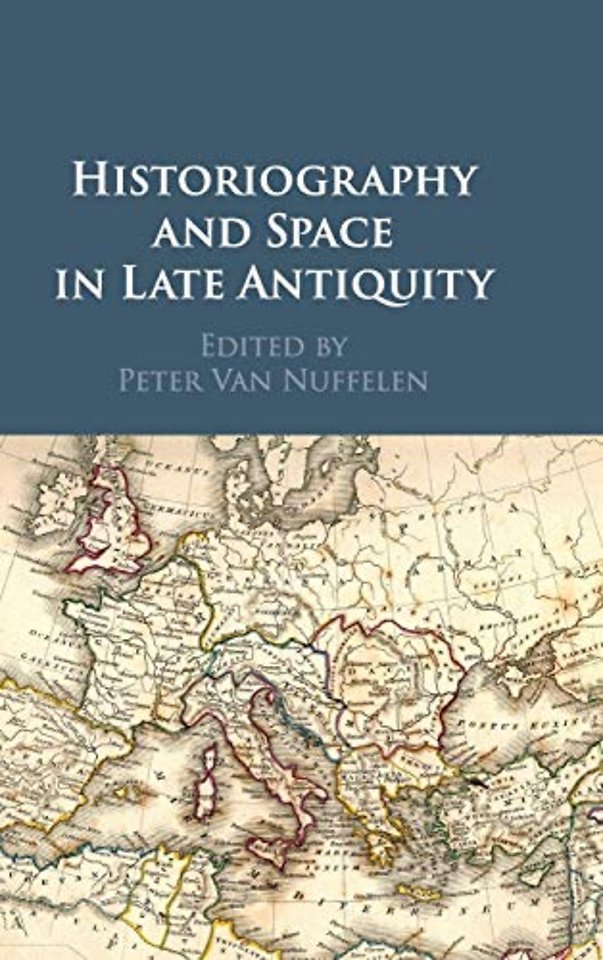
The Roman Empire traditionally presented itself as the centre of the world, a view sustained by ancient education and conveyed in imperial literature. Historiography in particular tended to be written from an empire-centred perspective. In Late Antiquity, however, that attitude was challenged by the fragmentation of the empire. This book explores how a post-imperial representation of space emerges in the historiography of that period. Minds adapted slowly, long ignoring Constantinople as the new capital and still finding counter-worlds at the edges of the world. Even in Christian literature, often thought of as introducing a new conception of space, the empire continued to influence geographies. Political changes and theological ideas, however, helped to imagine a transferral of empire away from Rome and to substitute ecclesiastical for imperial space. By the end of Late Antiquity, Rome was just one of many centres of the world.
Specificaties
Inhoudsopgave
Net verschenen
Rubrieken
- aanbestedingsrecht
- aansprakelijkheids- en verzekeringsrecht
- accountancy
- algemeen juridisch
- arbeidsrecht
- bank- en effectenrecht
- bestuursrecht
- bouwrecht
- burgerlijk recht en procesrecht
- europees-internationaal recht
- fiscaal recht
- gezondheidsrecht
- insolventierecht
- intellectuele eigendom en ict-recht
- management
- mens en maatschappij
- milieu- en omgevingsrecht
- notarieel recht
- ondernemingsrecht
- pensioenrecht
- personen- en familierecht
- sociale zekerheidsrecht
- staatsrecht
- strafrecht en criminologie
- vastgoed- en huurrecht
- vreemdelingenrecht