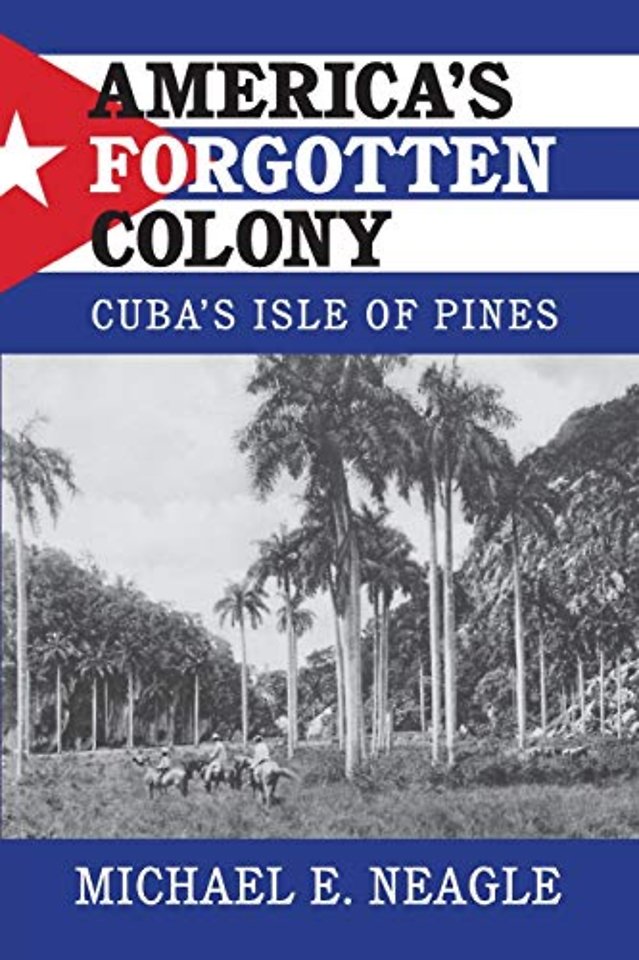
America's Forgotten Colony
Cuba's Isle of Pines
Samenvatting
America's Forgotten Colony examines private US citizens' experiences on Cuba's Isle of Pines to show how American influence adapted and endured in republican-era Cuba (1902–58). This transnational study challenges the notion that US territorial ambitions waned after the nineteenth century. Many Americans, anxious about a 'closed' frontier in an industrialized, urbanized United States, migrated to the Isle and pushed for agrarian-oriented landed expansion well into the twentieth century. Their efforts were stymied by Cuban resistance and reluctant US policymakers. After decades of tension, however, a new generation of Americans collaborated with locals in commercial and institutional endeavors. Although they did not wield the same influence, Americans nevertheless maintained a significant footprint. The story of this cooperation upsets prevailing conceptions of US domination and perpetual conflict, revealing that US-Cuban relations at the grassroots were not nearly as adversarial as on the diplomatic level at the dawn of the Cuban Revolution.
Specificaties
Inhoudsopgave
Net verschenen
Rubrieken
- aanbestedingsrecht
- aansprakelijkheids- en verzekeringsrecht
- accountancy
- algemeen juridisch
- arbeidsrecht
- bank- en effectenrecht
- bestuursrecht
- bouwrecht
- burgerlijk recht en procesrecht
- europees-internationaal recht
- fiscaal recht
- gezondheidsrecht
- insolventierecht
- intellectuele eigendom en ict-recht
- management
- mens en maatschappij
- milieu- en omgevingsrecht
- notarieel recht
- ondernemingsrecht
- pensioenrecht
- personen- en familierecht
- sociale zekerheidsrecht
- staatsrecht
- strafrecht en criminologie
- vastgoed- en huurrecht
- vreemdelingenrecht