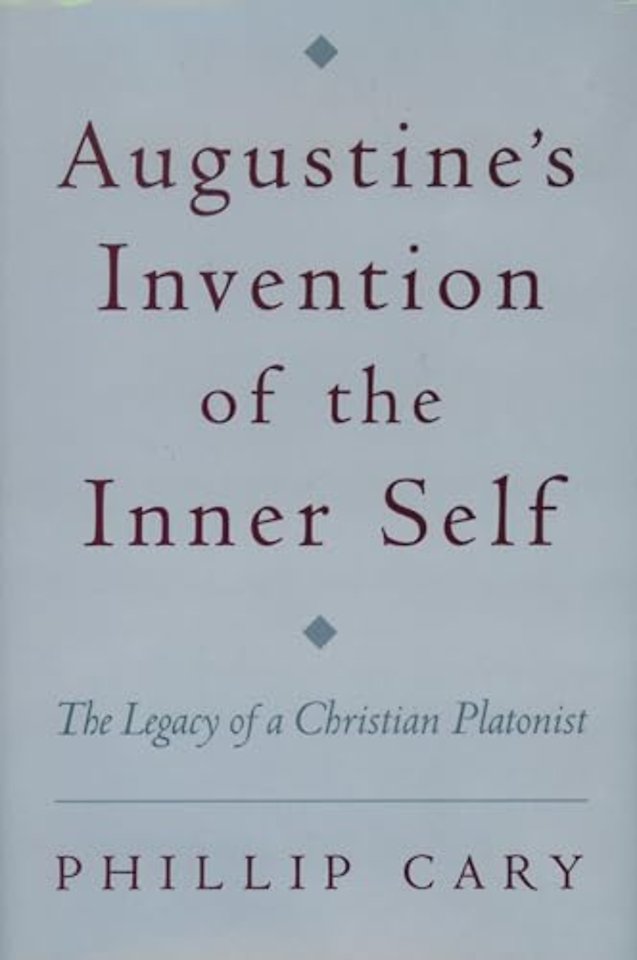
Augustine's Invention of the Inner Self
The Legacy of a Christian Platonist
Samenvatting
Phillip Cary argues that Augustine invented or created the concept of self as an inner space--as space into which one can enter and in which one can find God. This concept of inwardness, says Cary, has worked its way deeply into the intellectual heritage of the West and many Western individuals have experienced themselves as inner selves. After surveying the idea of inwardness in Augustine's predecessors, Cary offers a re-examination of Augustine's own writings, making the controversial point that in his early writings Augustine appears to hold that the human soul is quite literally divine. Cary goes on to contend that the crucial Book 7 of the Confessions is not a historical report of Augustine's "conversion" experience, but rather an explanation of his intellectual development over time.
Specificaties
Net verschenen
Rubrieken
- aanbestedingsrecht
- aansprakelijkheids- en verzekeringsrecht
- accountancy
- algemeen juridisch
- arbeidsrecht
- bank- en effectenrecht
- bestuursrecht
- bouwrecht
- burgerlijk recht en procesrecht
- europees-internationaal recht
- fiscaal recht
- gezondheidsrecht
- insolventierecht
- intellectuele eigendom en ict-recht
- management
- mens en maatschappij
- milieu- en omgevingsrecht
- notarieel recht
- ondernemingsrecht
- pensioenrecht
- personen- en familierecht
- sociale zekerheidsrecht
- staatsrecht
- strafrecht en criminologie
- vastgoed- en huurrecht
- vreemdelingenrecht