Samenvatting
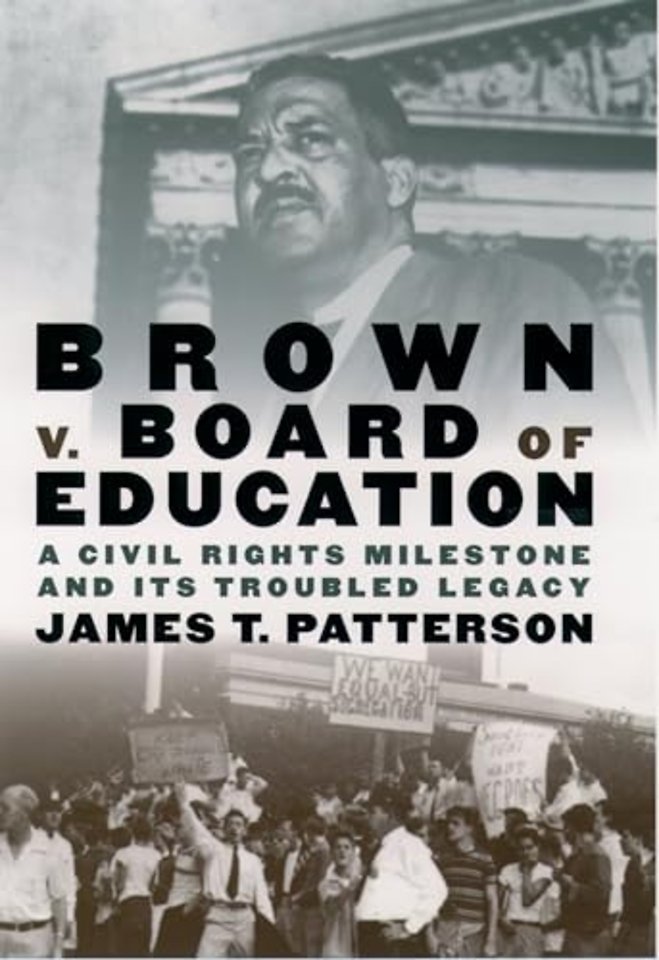
Many people were elated when Supreme Court Chief Justice Earl Warren delivered Brown V. Board of Education of Topeka in May 1954, the ruling that struck down state-sponsored racila segregation in America's public schools. Thurgood Marshall, chief attorney for the black families that launched the litigation, exclaimed later, "I was so happy, I was numb." The novelist Ralph Ellison wrote, "Another battle of the Civil War has been won. The rest is up to us and I'm very glad. What a wonderful world of possibilities are unfolded for the children!"
Here, in a concise, compelling narrative, Bancroft Prize-winning historian James T. Patterson takes readers through the dramatic case and its fifty-year aftermath. A wide range of characters animates the story, from the little-known African-Americans who dared to challenge Jim Crow with lawsuits (at great personal cost); to Thurgood Marshall, who later became a Justice himself; to Earl Warren, who shephered a fractured Court to a unanimous decision. Others include segregationist politicians like Governor Orval Faubus of Arkansas; Presidents Eisenhower, Johnson, and Nixon; and controversial Supreme Court justices such as William Rehnquist and Clarence Thomas.
Specificaties
Net verschenen
Rubrieken
- aanbestedingsrecht
- aansprakelijkheids- en verzekeringsrecht
- accountancy
- algemeen juridisch
- arbeidsrecht
- bank- en effectenrecht
- bestuursrecht
- bouwrecht
- burgerlijk recht en procesrecht
- europees-internationaal recht
- fiscaal recht
- gezondheidsrecht
- insolventierecht
- intellectuele eigendom en ict-recht
- management
- mens en maatschappij
- milieu- en omgevingsrecht
- notarieel recht
- ondernemingsrecht
- pensioenrecht
- personen- en familierecht
- sociale zekerheidsrecht
- staatsrecht
- strafrecht en criminologie
- vastgoed- en huurrecht
- vreemdelingenrecht