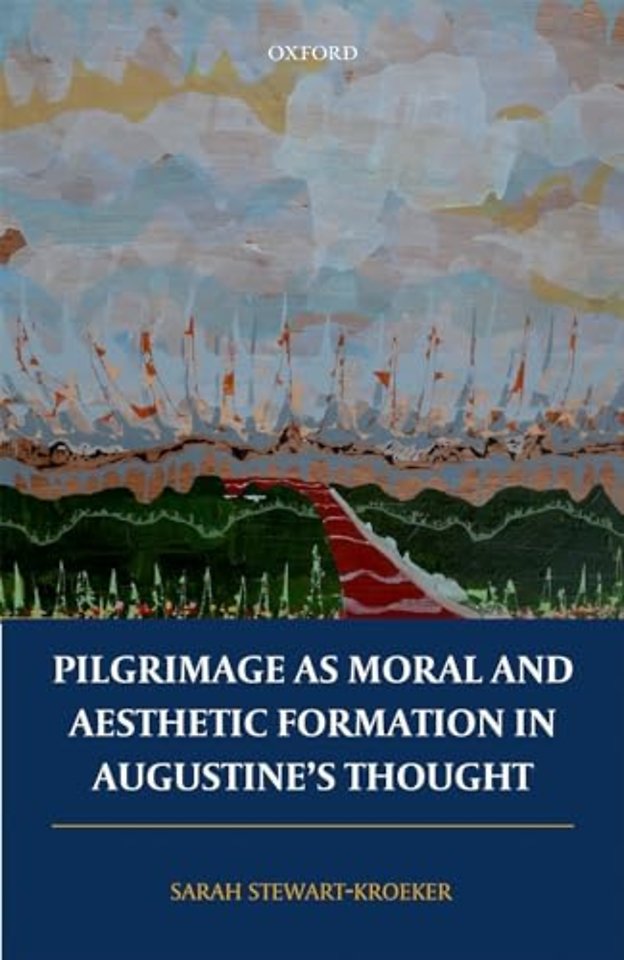

Pilgrimage as Moral and Aesthetic Formation in Augustine's Thought
Samenvatting
Augustine's dominant image for the human life is peregrinatio, which signifies at once a journey to the homeland (a pilgrimage) and the condition of exile from the homeland. For Augustine, all human beings are, in the earthly life, exiles from their true homeland: heaven. Some, but not all, become pilgrims seeking a way back to the heavenly homeland, a return mediated by the incarnate Christ. Becoming a pilgrim begins with attraction to beauty. The return journey therefore involves formation, both moral and aesthetic, in loving rightly. This image has occasioned a lot of angst in ethical thought in the last century. Augustine's vision of Christian life as a pilgrimage, his critics allege, casts a pall of groaning and longing over this life in favor of happiness in the next. Augustine's eschatological orientation robs the world of beauty and ethics of urgency.
In Pilgrimage as Moral and Aesthetic Formation in Augustine's Thought, Sarah Stewart-Kroeker responds to Augustine's critics by elaborating the Christological continuity between the earthly journey and the eschatological home. Through this cohesive account of pilgrimage as a journey toward the right ordering of the desire for beauty and love for God and neighbour, Stewart-Kroeker reveals the integrity of Augustine's vision of moral and aesthetic vision. From the human desire for beauty to the embodied practice of Christian sacraments, Stewart-Kroeker develops an account of the relationship between beauty and morality as the linchpin of an Augustinian moral theology.
Specificaties
Net verschenen
Rubrieken
- aanbestedingsrecht
- aansprakelijkheids- en verzekeringsrecht
- accountancy
- algemeen juridisch
- arbeidsrecht
- bank- en effectenrecht
- bestuursrecht
- bouwrecht
- burgerlijk recht en procesrecht
- europees-internationaal recht
- fiscaal recht
- gezondheidsrecht
- insolventierecht
- intellectuele eigendom en ict-recht
- management
- mens en maatschappij
- milieu- en omgevingsrecht
- notarieel recht
- ondernemingsrecht
- pensioenrecht
- personen- en familierecht
- sociale zekerheidsrecht
- staatsrecht
- strafrecht en criminologie
- vastgoed- en huurrecht
- vreemdelingenrecht