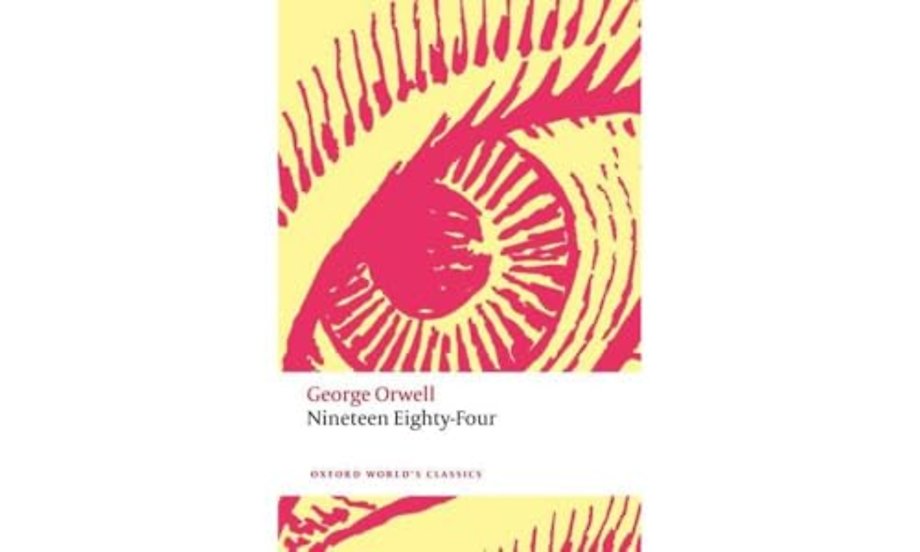
Nineteen Eighty-Four
Samenvatting
'If you want a picture of the future, imagine a boot stamping on a human face--forever.'
1984 Nineteen Eighty-Four (1949), George Orwell's final novel, was completed in difficult conditions shortly before his early death. It is one of the most influential and widely-read novels of the post-war period, and has been a huge international bestseller over many decades. Continually in print, it has long been controversial, both in its immediate Cold War context and in later history.
It is in some ways a realist novel, but in others is more akin to a work of science fiction, a dystopia or a satire. It also has strong affiliations to Gothic in its plotting, motifs and affective states. Full of horror and terror, it contains prophetic dreams and a central character who thinks of himself as a 'monster', a 'ghost' and 'already dead'. Like Frankenstein and Dracula, it is fascinated by the power of a documentary remnant addressed to an unknown reader.
Specificaties
Net verschenen
Rubrieken
- aanbestedingsrecht
- aansprakelijkheids- en verzekeringsrecht
- accountancy
- algemeen juridisch
- arbeidsrecht
- bank- en effectenrecht
- bestuursrecht
- bouwrecht
- burgerlijk recht en procesrecht
- europees-internationaal recht
- fiscaal recht
- gezondheidsrecht
- insolventierecht
- intellectuele eigendom en ict-recht
- management
- mens en maatschappij
- milieu- en omgevingsrecht
- notarieel recht
- ondernemingsrecht
- pensioenrecht
- personen- en familierecht
- sociale zekerheidsrecht
- staatsrecht
- strafrecht en criminologie
- vastgoed- en huurrecht
- vreemdelingenrecht