Black Market Britain
1939-1955
Samenvatting
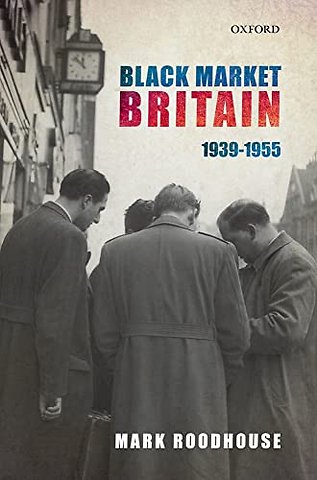
Britain's underground economy flourished during the 1940s and early 1950s thanks to rationing and price control, producers, traders, and professional criminals helped consumers to get a little extra on the side, from under the counter, or off the back of a lorry. Yet widespread evasion of regulations designed to ensure fair shares for all did not undermine the austerity policies that characterised these years and its vital role in securing compliance with economic regulation.
In Black Market Britain, Mark Roodhouse argues that Britons showed self-restraint in their illegal dealings. The means, motives, and opportunities for evasion were not lacking. The shortages were real, regulations were not watertight, and enforcement was haphazard. Fairness, not patriotism and respect for the law, is the key to understanding this self-restraint. By invoking popular notions of a fair price, a fair profit, and a fair share, government rhetoric limited black marketeering as would-be evaders had to justify their offences both to themselves and others.
Black Market Britain underlines the importance of fairness to those seeking a richer understanding of economic life in modern Britain.
Specificaties
Net verschenen
Rubrieken
- aanbestedingsrecht
- aansprakelijkheids- en verzekeringsrecht
- accountancy
- algemeen juridisch
- arbeidsrecht
- bank- en effectenrecht
- bestuursrecht
- bouwrecht
- burgerlijk recht en procesrecht
- europees-internationaal recht
- fiscaal recht
- gezondheidsrecht
- insolventierecht
- intellectuele eigendom en ict-recht
- management
- mens en maatschappij
- milieu- en omgevingsrecht
- notarieel recht
- ondernemingsrecht
- pensioenrecht
- personen- en familierecht
- sociale zekerheidsrecht
- staatsrecht
- strafrecht en criminologie
- vastgoed- en huurrecht
- vreemdelingenrecht