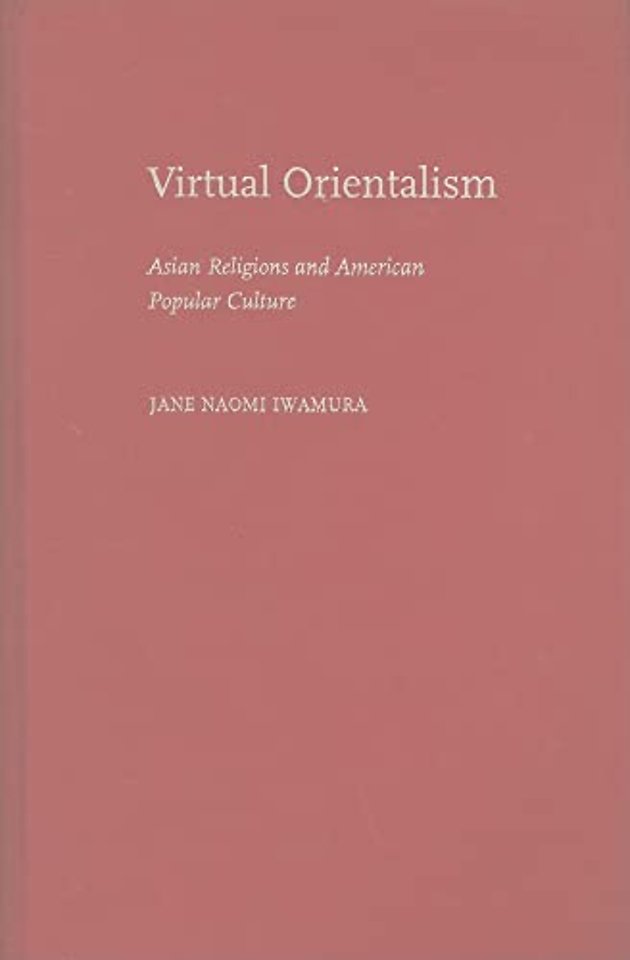
Virtual Orientalism
Asian Religions and American Popular Culture
Samenvatting
Saffron-robed monks and long-haired gurus have become familiar characters on the American pop culture scene. Jane Iwamura examines the contemporary fascination with Eastern spirituality and provides a cultural history of the representation of Asian religions in American mass media. Initial engagements with Asian spiritual heritages were mediated by monks, gurus, bhikkhus, sages, sifus, healers, and masters from a wide variety of ethnic backgrounds and religious traditions. Virtual Orientalism shows the evolution of these interactions, from direct engagements with specific individuals, to mediated relations with a conventionalized icon. Visually and psychically compelling, the Oriental Monk becomes for Americans a ''figure of translation'' - a convenient symbol for alternative spiritualities and modes of being. Through the figure of the non-sexual, solitary Monk, who generously and purposefully shares his wisdom with the West, Asian religiosity is made manageable - psychologically, socially, and politically - for American popular culture.
Specificaties
Net verschenen
Rubrieken
- aanbestedingsrecht
- aansprakelijkheids- en verzekeringsrecht
- accountancy
- algemeen juridisch
- arbeidsrecht
- bank- en effectenrecht
- bestuursrecht
- bouwrecht
- burgerlijk recht en procesrecht
- europees-internationaal recht
- fiscaal recht
- gezondheidsrecht
- insolventierecht
- intellectuele eigendom en ict-recht
- management
- mens en maatschappij
- milieu- en omgevingsrecht
- notarieel recht
- ondernemingsrecht
- pensioenrecht
- personen- en familierecht
- sociale zekerheidsrecht
- staatsrecht
- strafrecht en criminologie
- vastgoed- en huurrecht
- vreemdelingenrecht