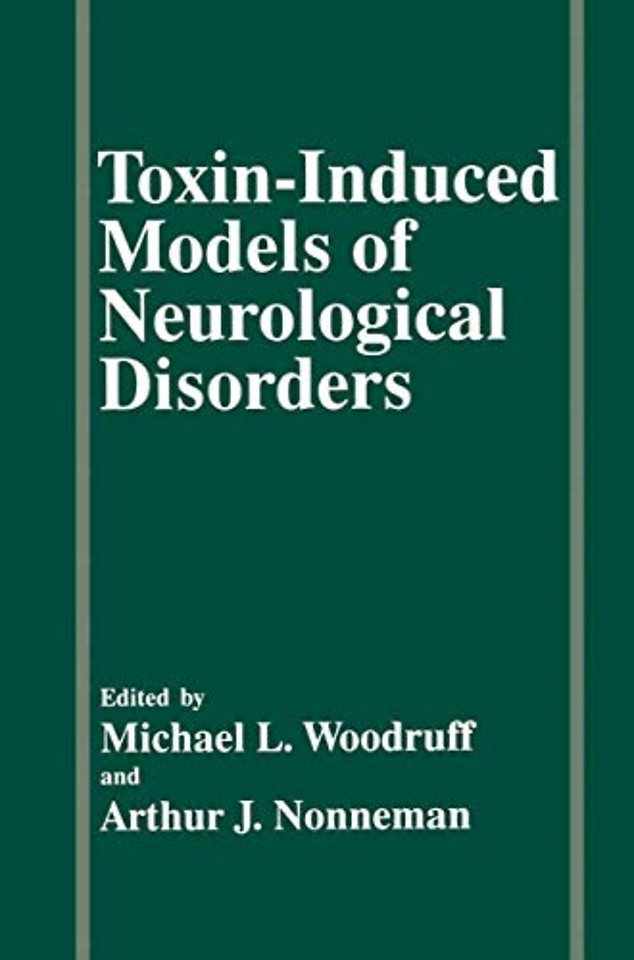
Toxin-Induced Models of Neurological Disorders
Samenvatting
Tbis volume discusses and evaluates the use of neurotoxins to produce animal models of human neurodegenerative diseases. Tbe models presented use neuro toxins to induce some or most of the pathophysiological changes (including behavioral) that characterize the most studied motor neuron disorders and cogni tive disorders (dementia) in humans. Within the biomedical research community, there is little doubt about the utility of such models. But with increasing frequen cy, individuals concemed with animal rights question the validity of such models and argue that they actually produce no useful information for understanding or developing treatments for human disorders. Each of the chapters will address this issue, considering the utility, validity, generalizability, and limitations of the models presented. Chapter 1 begins with a brief review of the ethics of animal use in neuro biological research, inc1uding a discussion of the criteria that may be used to evaluate animal models of human disease and extrapolate from the model to appropriate questions regarding humans. The limitations of such extrapolation are also discussed, with special consideration of issues specific to the use of neurotoxins. Chapter 2 extends this theme with further consideration of issues and strategies involved in developing neurotoxin-induced models of neuro degenerative disorders and assessing risk factors associated with neurotoxin ex posure. It then narrows to evaluate the use of a model systems approach to explore neurotoxin-induced leaming and memory deficits in animals as related to humans with dementia.
Specificaties
Inhoudsopgave
Net verschenen
Rubrieken
- aanbestedingsrecht
- aansprakelijkheids- en verzekeringsrecht
- accountancy
- algemeen juridisch
- arbeidsrecht
- bank- en effectenrecht
- bestuursrecht
- bouwrecht
- burgerlijk recht en procesrecht
- europees-internationaal recht
- fiscaal recht
- gezondheidsrecht
- insolventierecht
- intellectuele eigendom en ict-recht
- management
- mens en maatschappij
- milieu- en omgevingsrecht
- notarieel recht
- ondernemingsrecht
- pensioenrecht
- personen- en familierecht
- sociale zekerheidsrecht
- staatsrecht
- strafrecht en criminologie
- vastgoed- en huurrecht
- vreemdelingenrecht