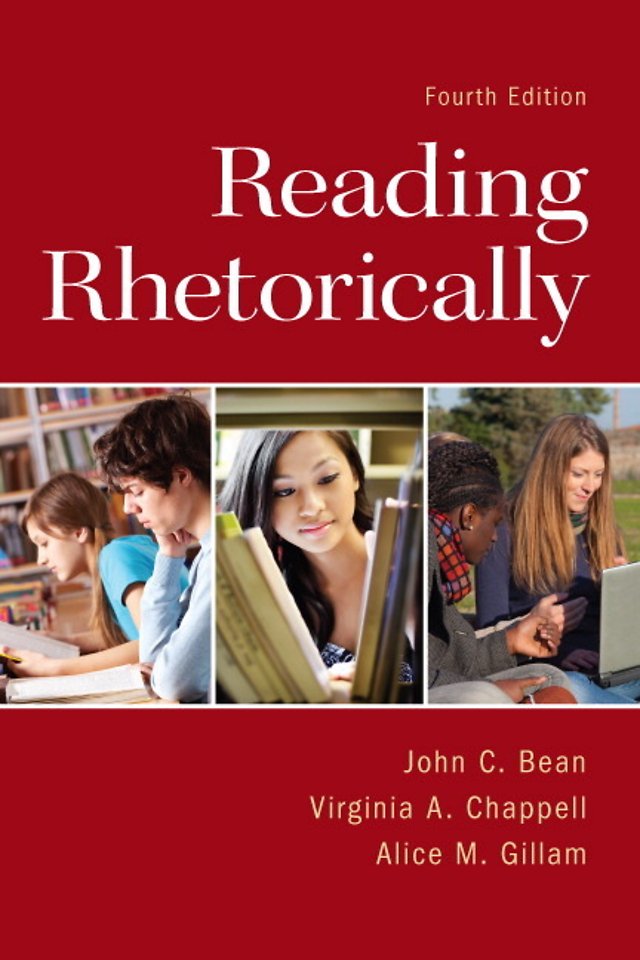
, , , , , e.a.

Reading Rhetorically

Specificaties
Paperback, blz. | Engels
Pearson Education | e druk, 2013
ISBN13: 9780321846624
Rubricering
Juridisch :
Pearson Education e druk, 2013 9780321846624
€ 72,94
Levertijd ongeveer 9 werkdagen
Gratis verzonden

Samenvatting

Offering concise yet thorough treatment of academic reading and writing in college, Reading Rhetorically, 4th.ed., shows students how to analyze texts by recognizing rhetorical strategies and genre conventions, and how to incorporate other writers’ texts into their own research-based papers.


Four important features of this text:

1.    Its emphasis on academic writing as a process in which writers engage with other texts

2.    Its emphasis on reading as an interactive process of composing meaning

3.    Its treatment rhetorical analysis as both an academic genre that sharpens students' reading acuity and as a tool for academic research

4.    Its analytical framework for understanding and critiquing how visual texts interact with verbal texts


This brief rhetoric teaches students how to see texts positioned in a conversation with other texts, how to recognize a text's rhetorical aims and persuasive strategies, and how to analyze texts for both content and method.


Specificaties

ISBN13:9780321846624
Taal:Engels
Bindwijze:Paperback

Inhoudsopgave

<p style="MARGIN: 0px">Contents</p> <p style="MARGIN: 0px">&nbsp;</p> <p style="MARGIN: 0px">Chapter 1 &nbsp;</p> <p style="MARGIN: 0px">Reading to Write: Strategies for College Writing</p> <p style="MARGIN: 0px">What Do We Mean by “Reading Rhetorically”?</p> <p style="MARGIN: 0px">The Demands and Pleasures of Academic Reading</p> <p style="MARGIN: 0px">Reading and Writing as Conversation</p> <p style="MARGIN: 0px">&nbsp;&nbsp;&nbsp;&nbsp;&nbsp;&nbsp;&nbsp;&nbsp;&nbsp;&nbsp;&nbsp; Joining the Conversation</p> <p style="MARGIN: 0px">&nbsp;&nbsp;&nbsp;&nbsp;&nbsp;&nbsp;&nbsp;&nbsp;&nbsp;&nbsp;&nbsp; For Writing and Discussion</p> <p style="MARGIN: 0px">Reading and Writing as Acts of Composing</p> <p style="MARGIN: 0px">Reading Rhetorically as a Strategy for Academic Writing </p> <p style="MARGIN: 0px">&nbsp;&nbsp;&nbsp;&nbsp;&nbsp;&nbsp;&nbsp;&nbsp;&nbsp;&nbsp;&nbsp; The Purposes of the Author Whose Text You Are Reading</p> <p style="MARGIN: 0px">&nbsp;&nbsp;&nbsp;&nbsp;&nbsp;&nbsp;&nbsp;&nbsp;&nbsp;&nbsp;&nbsp; Your Own Purposes as an Active Reader/Writer</p> <p style="MARGIN: 0px">&nbsp;&nbsp;&nbsp;&nbsp;&nbsp;&nbsp;&nbsp;&nbsp;&nbsp;&nbsp;&nbsp; Questions Rhetorical Readers Ask</p> <p style="MARGIN: 0px">&nbsp;&nbsp;&nbsp;&nbsp;&nbsp;&nbsp;&nbsp;&nbsp;&nbsp;&nbsp;&nbsp; For Writing and Discussion</p> <p style="MARGIN: 0px">&nbsp;&nbsp;&nbsp;&nbsp;&nbsp;&nbsp;&nbsp;&nbsp;&nbsp;&nbsp;&nbsp; An Extended Example: Researching the Promise of Biofuels</p> <p style="MARGIN: 0px">Chapter Summary</p> <p style="MARGIN: 0px">&nbsp;</p> <p style="MARGIN: 0px">Chapter 2</p> <p style="MARGIN: 0px">Analyzing Your Reading and Writing Context</p> <p style="MARGIN: 0px">Rhetorical Context: Purpose, Audience, and Genre</p> <p style="MARGIN: 0px">&nbsp;&nbsp;&nbsp;&nbsp;&nbsp;&nbsp;&nbsp;&nbsp;&nbsp;&nbsp;&nbsp; Analyzing an Author’s Purpose</p> <p style="MARGIN: 0px">&nbsp;&nbsp;&nbsp;&nbsp;&nbsp;&nbsp;&nbsp;&nbsp;&nbsp;&nbsp;&nbsp; FWD on Table 2.1 </p> <p style="MARGIN: 0px">&nbsp;&nbsp;&nbsp;&nbsp;&nbsp;&nbsp;&nbsp;&nbsp;&nbsp;&nbsp;&nbsp; Identifying an Author’s Intended Audience</p> <p style="MARGIN: 0px">&nbsp;&nbsp;&nbsp;&nbsp;&nbsp;&nbsp;&nbsp;&nbsp;&nbsp;&nbsp;&nbsp; Analyzing a Text’s Genre</p> <p style="MARGIN: 0px">&nbsp;&nbsp;&nbsp;&nbsp;&nbsp;&nbsp;&nbsp;&nbsp;&nbsp;&nbsp;&nbsp; For Writing and Discussion</p> <p style="MARGIN: 0px">Analyzing Your Own Rhetorical Context as Reader/Writer</p> <p style="MARGIN: 0px">&nbsp;&nbsp;&nbsp;&nbsp;&nbsp;&nbsp;&nbsp;&nbsp;&nbsp;&nbsp;&nbsp; Determining Your Purpose, Audience, and Genre</p> <p style="MARGIN: 0px">&nbsp;&nbsp;&nbsp;&nbsp;&nbsp;&nbsp;&nbsp;&nbsp;&nbsp;&nbsp;&nbsp; Matching Your Reading Strategies to Your Purpose as Reader/Writer</p> <p style="MARGIN: 0px">How Expert Readers Use Rhetorical Knowledge to Read Efficiently</p> <p style="MARGIN: 0px">&nbsp;&nbsp;&nbsp;&nbsp;&nbsp;&nbsp;&nbsp;&nbsp;&nbsp;&nbsp;&nbsp; Using Genre Knowledge to Read Efficiently&nbsp;&nbsp;&nbsp;&nbsp;&nbsp; </p> <p style="MARGIN: 0px">&nbsp;&nbsp;&nbsp;&nbsp;&nbsp;&nbsp;&nbsp;&nbsp;&nbsp;&nbsp;&nbsp; Using a Text’s Social/Historical Context to Make Predictions and Ask Questions</p> <p style="MARGIN: 0px">Typical Reading-Based Writing Assignments Across the Curriculum</p> <p style="MARGIN: 0px">&nbsp;&nbsp;&nbsp;&nbsp;&nbsp;&nbsp;&nbsp;&nbsp;&nbsp;&nbsp;&nbsp; Writing to Understand Course Content More Fully</p> <p style="MARGIN: 0px">&nbsp;&nbsp;&nbsp;&nbsp;&nbsp;&nbsp;&nbsp;&nbsp;&nbsp;&nbsp;&nbsp;&nbsp;&nbsp;&nbsp;&nbsp;&nbsp;&nbsp;&nbsp;&nbsp;&nbsp;&nbsp;&nbsp;&nbsp; In-Class Freewriting</p> <p style="MARGIN: 0px">&nbsp;&nbsp;&nbsp;&nbsp;&nbsp;&nbsp;&nbsp;&nbsp;&nbsp;&nbsp;&nbsp;&nbsp;&nbsp;&nbsp;&nbsp;&nbsp;&nbsp;&nbsp;&nbsp;&nbsp;&nbsp;&nbsp;&nbsp; Reading or Learning Logs</p> <p style="MARGIN: 0px">&nbsp;&nbsp;&nbsp;&nbsp;&nbsp;&nbsp;&nbsp;&nbsp;&nbsp;&nbsp;&nbsp;&nbsp;&nbsp;&nbsp;&nbsp;&nbsp;&nbsp;&nbsp;&nbsp;&nbsp;&nbsp;&nbsp;&nbsp; Double-Entry Journals</p> <p style="MARGIN: 0px">&nbsp;&nbsp;&nbsp;&nbsp;&nbsp;&nbsp;&nbsp;&nbsp;&nbsp;&nbsp;&nbsp;&nbsp;&nbsp;&nbsp;&nbsp;&nbsp;&nbsp;&nbsp;&nbsp;&nbsp;&nbsp;&nbsp;&nbsp; Short Thought Pieces or Postings to a Discussion Board</p> <p style="MARGIN: 0px">&nbsp;&nbsp;&nbsp;&nbsp;&nbsp;&nbsp;&nbsp;&nbsp;&nbsp;&nbsp;&nbsp; Writing to Report Your Understanding of What a Text Says</p> <p style="MARGIN: 0px">&nbsp;&nbsp;&nbsp;&nbsp;&nbsp;&nbsp;&nbsp;&nbsp;&nbsp;&nbsp;&nbsp; Writing to Practice the Conventions of a Particular Type of Text</p> <p style="MARGIN: 0px">&nbsp;&nbsp;&nbsp;&nbsp;&nbsp;&nbsp;&nbsp;&nbsp;&nbsp;&nbsp;&nbsp; Writing to Make Claims About a Text</p> <p style="MARGIN: 0px">&nbsp;&nbsp;&nbsp;&nbsp;&nbsp;&nbsp;&nbsp;&nbsp;&nbsp;&nbsp;&nbsp; Writing to Extend the Conversation</p> <p style="MARGIN: 0px">Chapter Summary</p> <p style="MARGIN: 0px">&nbsp;</p> <p style="MARGIN: 0px">Chapter 3</p> <p style="MARGIN: 0px">Listening to a Text</p> <p style="MARGIN: 0px">Writing as You Read</p> <p style="MARGIN: 0px">Preparing to Read</p> <p style="MARGIN: 0px">&nbsp;&nbsp;&nbsp;&nbsp;&nbsp;&nbsp;&nbsp;&nbsp;&nbsp;&nbsp;&nbsp; Recalling Background Knowledge</p> <p style="MARGIN: 0px">&nbsp;&nbsp;&nbsp;&nbsp;&nbsp;&nbsp;&nbsp;&nbsp;&nbsp;&nbsp;&nbsp; Using Visual Elements to Plan and Predict</p> <p style="MARGIN: 0px">&nbsp;&nbsp;&nbsp;&nbsp;&nbsp;&nbsp;&nbsp;&nbsp;&nbsp;&nbsp;&nbsp; Spot Reading</p> <p style="MARGIN: 0px">&nbsp;&nbsp;&nbsp;&nbsp;&nbsp;&nbsp;&nbsp;&nbsp;&nbsp;&nbsp;&nbsp;&nbsp;&nbsp;&nbsp;&nbsp;&nbsp;&nbsp;&nbsp;&nbsp;&nbsp;&nbsp;&nbsp;&nbsp; An Extended Example: Spot Reading in Kirk Savage’s Monument Wars</p> <p style="MARGIN: 0px">Listening As You Read Initially</p> <p style="MARGIN: 0px">&nbsp;&nbsp;&nbsp;&nbsp;&nbsp;&nbsp;&nbsp;&nbsp;&nbsp;&nbsp;&nbsp; Noting Organizational Signals</p> <p style="MARGIN: 0px">&nbsp;&nbsp;&nbsp;&nbsp;&nbsp;&nbsp;&nbsp;&nbsp;&nbsp;&nbsp;&nbsp; Marking Unfamiliar Terms and References</p> <p style="MARGIN: 0px">&nbsp;&nbsp;&nbsp;&nbsp;&nbsp;&nbsp;&nbsp;&nbsp;&nbsp;&nbsp;&nbsp; Identifying Points of Difficulty</p> <p style="MARGIN: 0px">&nbsp;&nbsp;&nbsp;&nbsp;&nbsp;&nbsp;&nbsp;&nbsp;&nbsp;&nbsp;&nbsp; Annotating</p> <p style="MARGIN: 0px">Connecting the Visual to the Verbal</p> <p style="MARGIN: 0px">&nbsp;&nbsp;&nbsp;&nbsp;&nbsp;&nbsp;&nbsp;&nbsp;&nbsp;&nbsp;&nbsp; Visuals That Enhance Verbal Content</p> <p style="MARGIN: 0px">&nbsp;&nbsp;&nbsp;&nbsp;&nbsp;&nbsp;&nbsp;&nbsp;&nbsp;&nbsp;&nbsp; Visuals That Support Verbal Content</p> <p style="MARGIN: 0px">&nbsp;&nbsp;&nbsp;&nbsp;&nbsp;&nbsp;&nbsp;&nbsp;&nbsp;&nbsp;&nbsp; Visuals That Extend Verbal Content</p> <p style="MARGIN: 0px">&nbsp;&nbsp;&nbsp;&nbsp;&nbsp;&nbsp;&nbsp;&nbsp;&nbsp;&nbsp;&nbsp; For Writing and Discussion</p> <p style="MARGIN: 0px">Listening as You Reread</p> <p style="MARGIN: 0px">&nbsp;&nbsp;&nbsp;&nbsp;&nbsp;&nbsp;&nbsp;&nbsp;&nbsp;&nbsp;&nbsp; Listening As You Reread</p> <p style="MARGIN: 0px">&nbsp;&nbsp;&nbsp;&nbsp;&nbsp;&nbsp;&nbsp;&nbsp;&nbsp;&nbsp;&nbsp; Mapping the Idea Structure</p> <p style="MARGIN: 0px">&nbsp;&nbsp;&nbsp;&nbsp;&nbsp;&nbsp;&nbsp;&nbsp;&nbsp;&nbsp;&nbsp; Describing What Verbal Texts Say and Do</p> <p style="MARGIN: 0px">&nbsp;&nbsp;&nbsp;&nbsp;&nbsp;&nbsp;&nbsp;&nbsp;&nbsp;&nbsp;&nbsp; For Writing and Discussion</p> <p style="MARGIN: 0px">&nbsp;&nbsp;&nbsp;&nbsp;&nbsp;&nbsp;&nbsp;&nbsp;&nbsp;&nbsp;&nbsp; Describing What Visual Texts Do</p> <p style="MARGIN: 0px">Writing About How Texts Work: Guidelines and Two Examples</p> <p style="MARGIN: 0px">&nbsp;&nbsp;&nbsp;&nbsp;&nbsp;&nbsp;&nbsp;&nbsp;&nbsp;&nbsp;&nbsp; How Summaries Are Used in Academic and Workplace Settings</p> <p style="MARGIN: 0px">&nbsp;&nbsp;&nbsp;&nbsp;&nbsp;&nbsp;&nbsp;&nbsp;&nbsp;&nbsp;&nbsp; Guidelines for Writing a Summary</p> <p style="MARGIN: 0px">&nbsp;&nbsp;&nbsp;&nbsp;&nbsp;&nbsp;&nbsp;&nbsp;&nbsp;&nbsp;&nbsp;&nbsp;&nbsp;&nbsp;&nbsp;&nbsp;&nbsp;&nbsp;&nbsp;&nbsp;&nbsp;&nbsp;&nbsp; Jaime’s Process Notes for Summarizing “Chew on This”</p> <p style="MARGIN: 0px">&nbsp;&nbsp;&nbsp;&nbsp;&nbsp;&nbsp;&nbsp;&nbsp;&nbsp;&nbsp;&nbsp;&nbsp;&nbsp;&nbsp;&nbsp;&nbsp;&nbsp;&nbsp;&nbsp;&nbsp;&nbsp;&nbsp;&nbsp; Sample Summary with Attributive Tags</p> <p style="MARGIN: 0px">&nbsp;&nbsp;&nbsp;&nbsp;&nbsp;&nbsp;&nbsp;&nbsp;&nbsp;&nbsp;&nbsp; Guidelines for Writing a Rhetorical Précis </p> <p style="MARGIN: 0px">&nbsp;&nbsp;&nbsp;&nbsp;&nbsp;&nbsp;&nbsp;&nbsp;&nbsp;&nbsp;&nbsp;&nbsp;&nbsp;&nbsp;&nbsp;&nbsp;&nbsp;&nbsp;&nbsp;&nbsp;&nbsp;&nbsp;&nbsp; Jaime’s Rhetorical Précis</p> <p style="MARGIN: 0px">A Brief Writing Project</p> <p style="MARGIN: 0px">Chapter Summary</p> <p style="MARGIN: 0px">&nbsp;&nbsp;&nbsp;&nbsp;&nbsp;&nbsp;&nbsp;&nbsp;&nbsp;&nbsp;&nbsp; Kirk Savage, The Conscience of the Nation</p> <p style="MARGIN: 0px">&nbsp;</p> <p style="MARGIN: 0px">Chapter 4</p> <p style="MARGIN: 0px">Questioning a Text</p> <p style="MARGIN: 0px">What It Means to Question a Text</p> <p style="MARGIN: 0px">Examining a Writer’s Credibility and Appeals to Ethos </p> <p style="MARGIN: 0px">&nbsp;&nbsp;&nbsp;&nbsp;&nbsp;&nbsp;&nbsp;&nbsp;&nbsp;&nbsp;&nbsp; For Writing and Discussion</p> <p style="MARGIN: 0px">Examining a Writer’s Appeals to Reason or Logos</p> <p style="MARGIN: 0px">&nbsp;&nbsp;&nbsp;&nbsp;&nbsp;&nbsp;&nbsp;&nbsp;&nbsp;&nbsp;&nbsp; Reasons</p> <p style="MARGIN: 0px">&nbsp;&nbsp;&nbsp;&nbsp;&nbsp;&nbsp;&nbsp;&nbsp;&nbsp;&nbsp;&nbsp; Evidence</p> <p style="MARGIN: 0px">&nbsp;&nbsp;&nbsp;&nbsp;&nbsp;&nbsp;&nbsp;&nbsp;&nbsp;&nbsp;&nbsp; Assumptions</p> <p style="MARGIN: 0px">&nbsp;&nbsp;&nbsp;&nbsp;&nbsp;&nbsp;&nbsp;&nbsp;&nbsp;&nbsp;&nbsp; For Writing and Discussion</p> <p style="MARGIN: 0px">Examining a Writer’s Strategies for Engaging Readers, or Pathos</p> <p style="MARGIN: 0px">&nbsp;&nbsp;&nbsp;&nbsp;&nbsp;&nbsp;&nbsp;&nbsp;&nbsp;&nbsp;&nbsp; For Writing and Discussion</p> <p style="MARGIN: 0px">Examining a Writer’s Language</p> <p style="MARGIN: 0px">&nbsp;&nbsp;&nbsp;&nbsp;&nbsp;&nbsp;&nbsp;&nbsp;&nbsp;&nbsp;&nbsp; For Writing and Discussion</p> <p style="MARGIN: 0px">Examining a Text’s Ideology</p> <p style="MARGIN: 0px">&nbsp;&nbsp;&nbsp;&nbsp;&nbsp;&nbsp;&nbsp;&nbsp;&nbsp;&nbsp;&nbsp; For Writing and Discussion</p> <p style="MARGIN: 0px">Examining a Text’s Use of Visual Elements</p> <p style="MARGIN: 0px">&nbsp;&nbsp;&nbsp;&nbsp;&nbsp;&nbsp;&nbsp;&nbsp;&nbsp;&nbsp;&nbsp; Visual Elements and Ethical Appeals</p> <p style="MARGIN: 0px">&nbsp;&nbsp;&nbsp;&nbsp;&nbsp;&nbsp;&nbsp;&nbsp;&nbsp;&nbsp;&nbsp; Visual Elements and Logical Appeals</p> <p style="MARGIN: 0px">&nbsp;&nbsp;&nbsp;&nbsp;&nbsp;&nbsp;&nbsp;&nbsp;&nbsp;&nbsp;&nbsp; Visual Elements and Audience Appeals</p> <p style="MARGIN: 0px">&nbsp;&nbsp;&nbsp;&nbsp;&nbsp;&nbsp;&nbsp;&nbsp;&nbsp;&nbsp;&nbsp; Visual Arguments</p> <p style="MARGIN: 0px">Exploring Your Responses to a Text</p> <p style="MARGIN: 0px">&nbsp;&nbsp;&nbsp;&nbsp;&nbsp;&nbsp;&nbsp;&nbsp;&nbsp;&nbsp;&nbsp; Before/After Reflections</p> <p style="MARGIN: 0px">&nbsp;&nbsp;&nbsp;&nbsp;&nbsp;&nbsp;&nbsp;&nbsp;&nbsp;&nbsp;&nbsp; The Believing and Doubting Game</p> <p style="MARGIN: 0px">&nbsp;&nbsp;&nbsp;&nbsp;&nbsp;&nbsp;&nbsp;&nbsp;&nbsp;&nbsp;&nbsp; Interviewing the Author</p> <p style="MARGIN: 0px">Writing a Rhetorical Analysis Paper: Guidelines and an Example</p> <p style="MARGIN: 0px">&nbsp;&nbsp;&nbsp;&nbsp;&nbsp;&nbsp;&nbsp;&nbsp;&nbsp;&nbsp;&nbsp; Guidelines for Writing a Rhetorical Analysis</p> <p style="MARGIN: 0px">&nbsp;&nbsp;&nbsp;&nbsp;&nbsp;&nbsp;&nbsp;&nbsp;&nbsp;&nbsp;&nbsp; An Annotated Rhetorical Analysis of “A Lifesaving Checklist”</p> <p style="MARGIN: 0px">Chapter Summary</p> <p style="MARGIN: 0px">&nbsp;&nbsp;&nbsp;&nbsp;&nbsp;&nbsp;&nbsp;&nbsp;&nbsp;&nbsp;&nbsp; Atul Gawande, “A Lifesaving Checklist”</p> <p style="MARGIN: 0px">&nbsp;</p> <p style="MARGIN: 0px">&nbsp;</p> <p style="MARGIN: 0px">Chapter 5</p> <p style="MARGIN: 0px">Using Rhetorical Reading for Researched Writing</p> <p style="MARGIN: 0px">Rhetorical Reading and Information Literacy</p> <p style="MARGIN: 0px">Formulating and Analyzing Questions</p> <p style="MARGIN: 0px">&nbsp;&nbsp;&nbsp;&nbsp;&nbsp;&nbsp;&nbsp;&nbsp;&nbsp;&nbsp;&nbsp; Establishing Your Purpose</p> <p style="MARGIN: 0px">&nbsp;&nbsp;&nbsp;&nbsp;&nbsp;&nbsp;&nbsp;&nbsp;&nbsp;&nbsp;&nbsp; Using Question Analysis to Plan a Research Strategy</p> <p style="MARGIN: 0px">Tips for Finding Reliable Sources</p> <p style="MARGIN: 0px">&nbsp;&nbsp;&nbsp;&nbsp;&nbsp;&nbsp;&nbsp;&nbsp;&nbsp;&nbsp;&nbsp; Tip #1. Preferred Sources Have Undergone Solid Editorial Review and Fact-Checking </p> <p style="MARGIN: 0px">&nbsp;&nbsp;&nbsp;&nbsp;&nbsp;&nbsp;&nbsp;&nbsp;&nbsp;&nbsp;&nbsp;&nbsp;&nbsp;&nbsp;&nbsp;&nbsp;&nbsp;&nbsp;&nbsp;&nbsp;&nbsp;&nbsp;&nbsp; Library Databases and Web Search Engines</p> <p style="MARGIN: 0px">&nbsp;&nbsp;&nbsp;&nbsp;&nbsp;&nbsp;&nbsp;&nbsp;&nbsp;&nbsp;&nbsp; Tip #2. Specialized Periodicals for General Audiences Can Be Very Useful</p> <p style="MARGIN: 0px">&nbsp;&nbsp;&nbsp;&nbsp;&nbsp;&nbsp;&nbsp;&nbsp;&nbsp;&nbsp;&nbsp; Tip #3. Weigh Questions About Relevance</p> <p style="MARGIN: 0px">&nbsp;&nbsp;&nbsp;&nbsp;&nbsp;&nbsp;&nbsp;&nbsp;&nbsp;&nbsp;&nbsp; Tip #4. Ask a Librarian</p> <p style="MARGIN: 0px">Tips for Evaluating Sources</p> <p style="MARGIN: 0px">&nbsp;&nbsp;&nbsp;&nbsp;&nbsp;&nbsp;&nbsp;&nbsp;&nbsp;&nbsp;&nbsp; Tip #5. Read the Abstracts and Discussion Sections of Scholarly Articles</p> <p style="MARGIN: 0px">&nbsp;&nbsp;&nbsp;&nbsp;&nbsp;&nbsp;&nbsp;&nbsp;&nbsp;&nbsp;&nbsp; Tip #6. Examine a Text’s Currency and Scope</p> <p style="MARGIN: 0px">&nbsp;&nbsp;&nbsp;&nbsp;&nbsp;&nbsp;&nbsp;&nbsp;&nbsp;&nbsp;&nbsp; Tip #7. Check Authors’ and Experts’ Basis of Authority</p> <p style="MARGIN: 0px">&nbsp;&nbsp;&nbsp;&nbsp;&nbsp;&nbsp;&nbsp;&nbsp;&nbsp;&nbsp;&nbsp; Tip #8. Consider the Reputation of Publishers and Sponsors</p> <p style="MARGIN: 0px">Chapter Summary</p> <p style="MARGIN: 0px">&nbsp;</p> <p style="MARGIN: 0px">Chapter 6</p> <p style="MARGIN: 0px">Making Knowledge: Incorporating Reading into Writing</p> <p style="MARGIN: 0px">Asserting Your Authority as a Reader and Writer </p> <p style="MARGIN: 0px">Managing Your Writing Process</p> <p style="MARGIN: 0px">&nbsp;&nbsp;&nbsp;&nbsp;&nbsp;&nbsp;&nbsp;&nbsp;&nbsp;&nbsp;&nbsp; Strategies for Getting Started</p> <p style="MARGIN: 0px">&nbsp;&nbsp;&nbsp;&nbsp;&nbsp;&nbsp;&nbsp;&nbsp;&nbsp;&nbsp;&nbsp; Strategies for Generating Ideas</p> <p style="MARGIN: 0px">&nbsp;&nbsp;&nbsp;&nbsp;&nbsp;&nbsp;&nbsp;&nbsp;&nbsp;&nbsp;&nbsp; Strategies for Writing a First Draft</p> <p style="MARGIN: 0px">&nbsp;&nbsp;&nbsp;&nbsp;&nbsp;&nbsp;&nbsp;&nbsp;&nbsp;&nbsp;&nbsp; Strategies for Evaluating Your Draft for Revision</p> <p style="MARGIN: 0px">&nbsp;&nbsp;&nbsp;&nbsp;&nbsp;&nbsp;&nbsp;&nbsp;&nbsp;&nbsp;&nbsp; Strategies for Peer Response and Revision</p> <p style="MARGIN: 0px">&nbsp;&nbsp;&nbsp;&nbsp;&nbsp;&nbsp;&nbsp;&nbsp;&nbsp;&nbsp;&nbsp; Strategies for Editing and Polishing Your Final Draft</p> <p style="MARGIN: 0px">Integrating Material from Readings into Your Writing</p> <p style="MARGIN: 0px">&nbsp;&nbsp;&nbsp;&nbsp;&nbsp;&nbsp;&nbsp;&nbsp;&nbsp;&nbsp;&nbsp; Using Summary</p> <p style="MARGIN: 0px">&nbsp;&nbsp;&nbsp;&nbsp;&nbsp;&nbsp;&nbsp;&nbsp;&nbsp;&nbsp;&nbsp; Using Paraphrase</p> <p style="MARGIN: 0px">&nbsp;&nbsp;&nbsp;&nbsp;&nbsp;&nbsp;&nbsp;&nbsp;&nbsp;&nbsp;&nbsp; Using Direct Quotation</p> <p style="MARGIN: 0px">&nbsp;&nbsp;&nbsp;&nbsp;&nbsp;&nbsp;&nbsp;&nbsp;&nbsp;&nbsp;&nbsp; Avoiding Plagiarism</p> <p style="MARGIN: 0px">Using Attributive Tags to Frame Sources Rhetorically</p> <p style="MARGIN: 0px">Using Parenthetical Citations</p> <p style="MARGIN: 0px">&nbsp;&nbsp;&nbsp;&nbsp;&nbsp;&nbsp;&nbsp;&nbsp;&nbsp;&nbsp;&nbsp; Understanding Academic Citation Conventions</p> <p style="MARGIN: 0px">Chapter Summary</p> <p style="MARGIN: 0px">Incorporating Reading into Writing: An Example in MLA Format</p> <p style="MARGIN: 0px">&nbsp;</p> <p style="MARGIN: 0px">Appendix</p> <p style="MARGIN: 0px">Building an MLA Citation</p> <p style="MARGIN: 0px">Formatting MLA In-Text Citations</p> <p style="MARGIN: 0px">&nbsp;&nbsp;&nbsp;&nbsp;&nbsp;&nbsp;&nbsp;&nbsp;&nbsp;&nbsp;&nbsp; Quick Guidelines for Placement and Content</p> <p style="MARGIN: 0px">&nbsp;&nbsp;&nbsp;&nbsp;&nbsp;&nbsp;&nbsp;&nbsp;&nbsp;&nbsp;&nbsp; Variations</p> <p style="MARGIN: 0px">Setting Up an MLA Works Cited List</p> <p style="MARGIN: 0px">&nbsp;&nbsp;&nbsp;&nbsp;&nbsp;&nbsp;&nbsp;&nbsp;&nbsp;&nbsp;&nbsp; The Basics</p> <p style="MARGIN: 0px">&nbsp;&nbsp;&nbsp;&nbsp;&nbsp;&nbsp;&nbsp;&nbsp;&nbsp;&nbsp;&nbsp; Process Advice</p> <p style="MARGIN: 0px">Model MLA Citation Formats</p> <p style="MARGIN: 0px">&nbsp;&nbsp;&nbsp;&nbsp;&nbsp;&nbsp;&nbsp;&nbsp;&nbsp;&nbsp;&nbsp; Citation Models for in Periodicals</p> <p style="MARGIN: 0px">&nbsp;&nbsp;&nbsp;&nbsp;&nbsp;&nbsp;&nbsp;&nbsp;&nbsp;&nbsp;&nbsp; Citation Models for Books and Other Nonperiodical Print Sources</p> <p style="MARGIN: 0px">&nbsp;&nbsp;&nbsp;&nbsp;&nbsp;&nbsp;&nbsp;&nbsp;&nbsp;&nbsp;&nbsp; Citation Models for Web Sources</p>

Net verschenen

€ 72,94
Levertijd ongeveer 9 werkdagen
Gratis verzonden

Rubrieken

    Personen

      Trefwoorden

        Reading Rhetorically