Slavery in the American Mountain South
Samenvatting
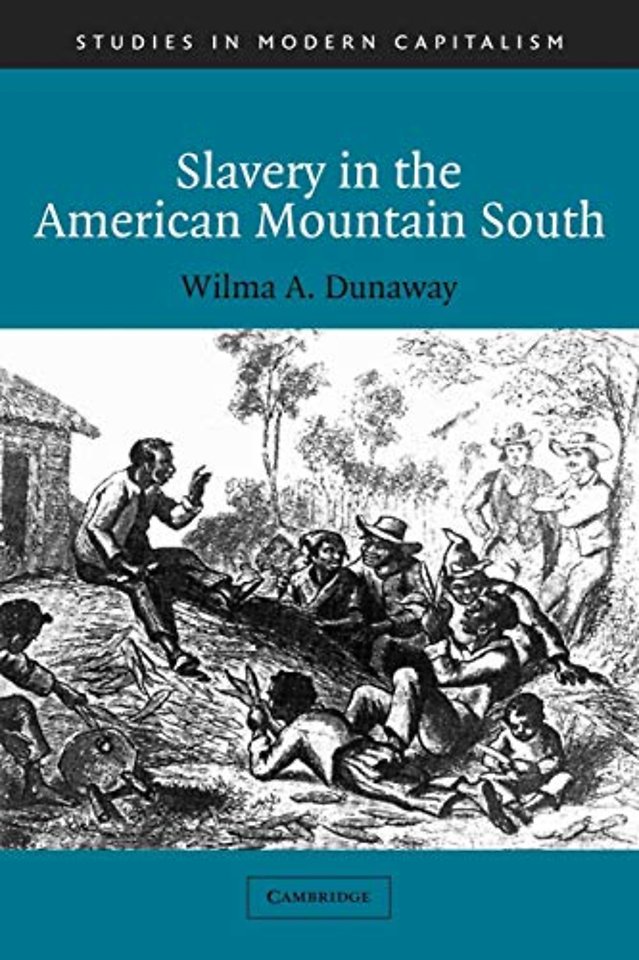
Wilma Dunaway breaks new ground by focusing on slave experiences on small plantations in the Upper South. She argues that a region was not buffered from the political, economic, and social impacts of enslavement simply because it was characterized by low black population density and small slaveholdings. By drawing on a massive statistical data base derived from antebellum census manuscripts and county tax records of 215 counties in nine states, on a vast array of slaveholder manuscripts, and on regional slave narratives, she pinpoints several indicators that distinguished Mountain South enslavement from the Lower South. These include a higher incidence of ethnic mixing between African and Native American slaves, heavier reliance on the field labor of women and children, and more frequent assignment of slaves to non-agricultural occupations. Dunaway also calls into question the notion that large numbers were necessary before slaves could engage in community building and resistance.
Specificaties
Inhoudsopgave
Net verschenen
Rubrieken
- aanbestedingsrecht
- aansprakelijkheids- en verzekeringsrecht
- accountancy
- algemeen juridisch
- arbeidsrecht
- bank- en effectenrecht
- bestuursrecht
- bouwrecht
- burgerlijk recht en procesrecht
- europees-internationaal recht
- fiscaal recht
- gezondheidsrecht
- insolventierecht
- intellectuele eigendom en ict-recht
- management
- mens en maatschappij
- milieu- en omgevingsrecht
- notarieel recht
- ondernemingsrecht
- pensioenrecht
- personen- en familierecht
- sociale zekerheidsrecht
- staatsrecht
- strafrecht en criminologie
- vastgoed- en huurrecht
- vreemdelingenrecht