Fixed Ideas of Money
Small States and Exchange Rate Regimes in Twentieth-Century Europe
Samenvatting
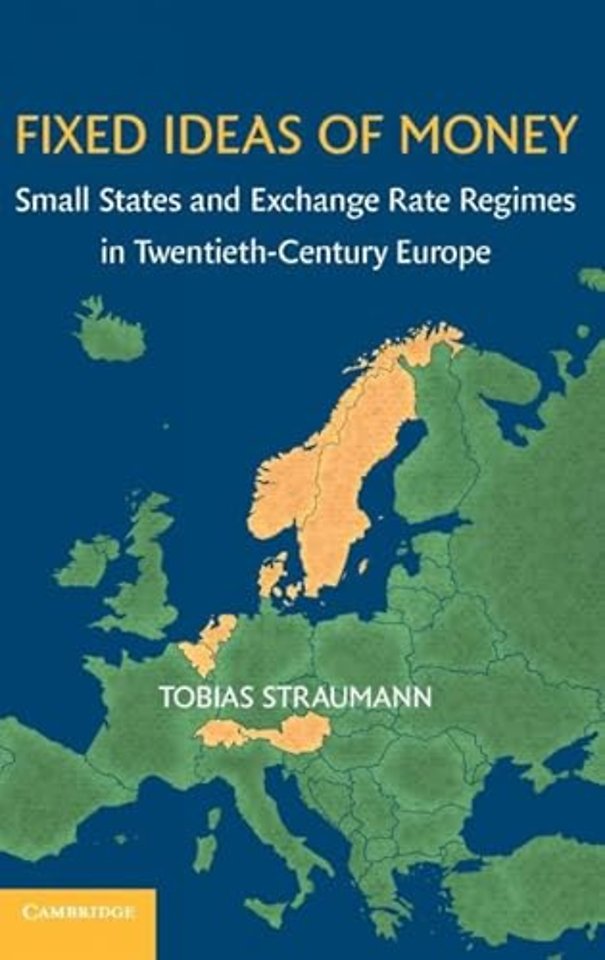
Most European countries are rather small, yet we know little about their monetary history. This book analyses for the first time the experience of seven small states (Austria, Belgium, Denmark, The Netherlands, Norway, Sweden, and Switzerland) during the last hundred years, starting with the restoration of the gold standard after World War I and ending with Sweden's rejection of the Euro in 2003. The comparative analysis shows that for the most part of the twentieth century the options of policy makers were seriously constrained by a distinct fear of floating exchange rates. Only with the crisis of the European Monetary System (EMS) in 1992–3 did the idea that a flexible exchange rate regime was suited for a small open economy gain currency. The book also analyses the differences among small states and concludes that economic structures or foreign policy orientations were far more important for the timing of regime changes than domestic institutions and policies.
Specificaties
Inhoudsopgave
Net verschenen
Rubrieken
- aanbestedingsrecht
- aansprakelijkheids- en verzekeringsrecht
- accountancy
- algemeen juridisch
- arbeidsrecht
- bank- en effectenrecht
- bestuursrecht
- bouwrecht
- burgerlijk recht en procesrecht
- europees-internationaal recht
- fiscaal recht
- gezondheidsrecht
- insolventierecht
- intellectuele eigendom en ict-recht
- management
- mens en maatschappij
- milieu- en omgevingsrecht
- notarieel recht
- ondernemingsrecht
- pensioenrecht
- personen- en familierecht
- sociale zekerheidsrecht
- staatsrecht
- strafrecht en criminologie
- vastgoed- en huurrecht
- vreemdelingenrecht