Literature, Technology, and Modernity, 1860–2000
Samenvatting
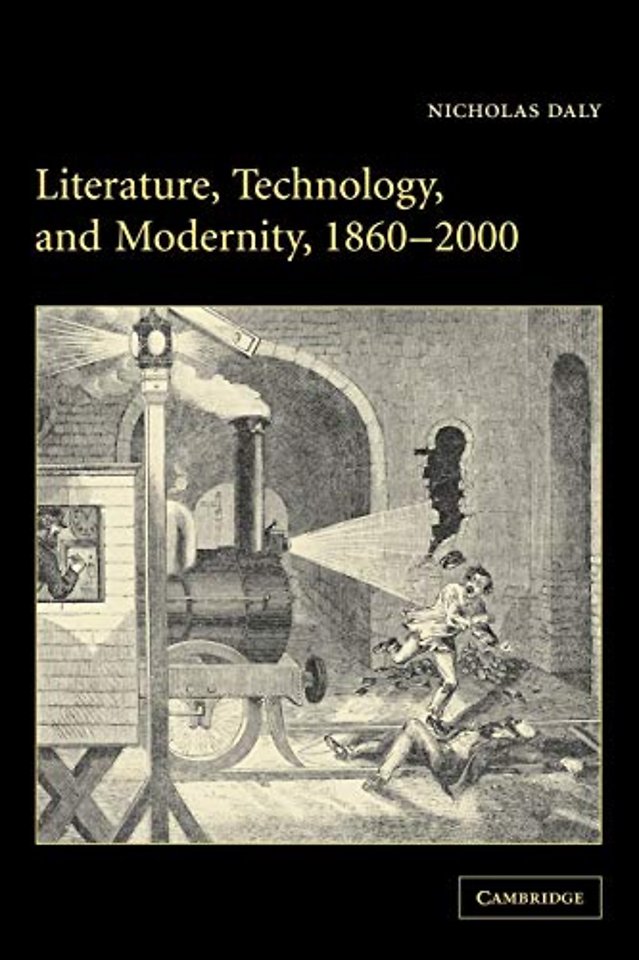
Industrial modernity takes it as self-evident that there is a difference between people and machines, but the corollary of this has been a recurring fantasy about the erasure of that difference. The central scenario in this fantasy is the crash, sometimes literal, sometimes metaphorical. Nicholas Daly considers the way human/machine encounters have been imagined from the 1860s on, arguing that such scenes dramatise the modernisation of subjectivity. Daly begins with Victorian railway melodramas in which an individual is rescued from the path of the train just in time, and ends with J. G. Ballard's novel Crash in which people seek out such collisions. Daly argues that these collisions dramatise the relationship between the individual and the industrial society, and suggests that the pleasures of fictional suspense help people to assimilate the speeding up of everyday life. This book will be of interest to scholars of modernism, literature and film.
Specificaties
Inhoudsopgave
Net verschenen
Rubrieken
- aanbestedingsrecht
- aansprakelijkheids- en verzekeringsrecht
- accountancy
- algemeen juridisch
- arbeidsrecht
- bank- en effectenrecht
- bestuursrecht
- bouwrecht
- burgerlijk recht en procesrecht
- europees-internationaal recht
- fiscaal recht
- gezondheidsrecht
- insolventierecht
- intellectuele eigendom en ict-recht
- management
- mens en maatschappij
- milieu- en omgevingsrecht
- notarieel recht
- ondernemingsrecht
- pensioenrecht
- personen- en familierecht
- sociale zekerheidsrecht
- staatsrecht
- strafrecht en criminologie
- vastgoed- en huurrecht
- vreemdelingenrecht