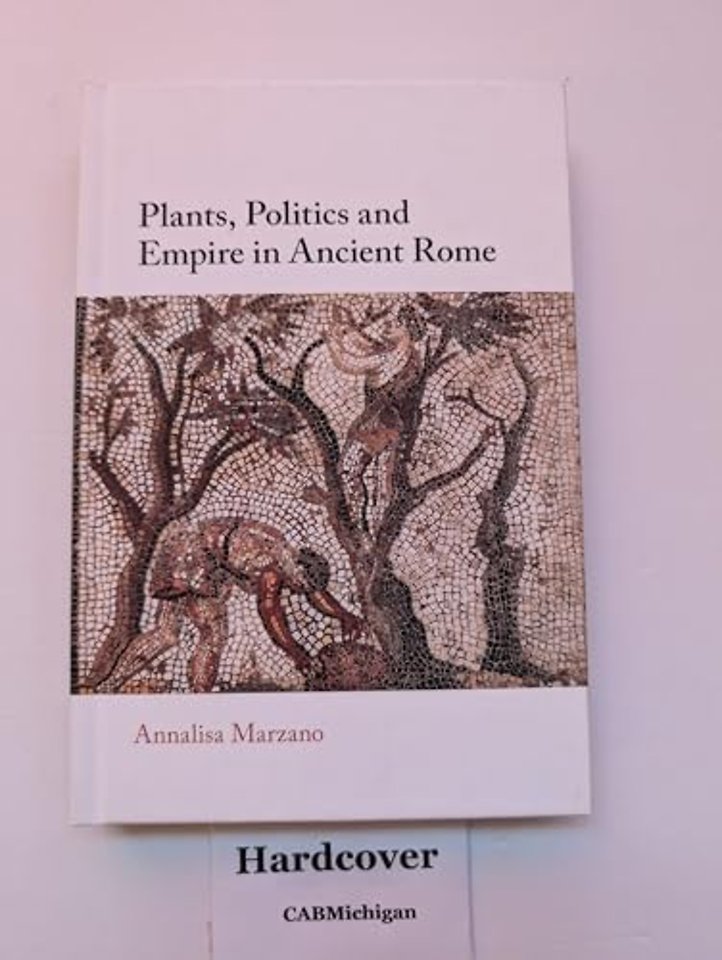
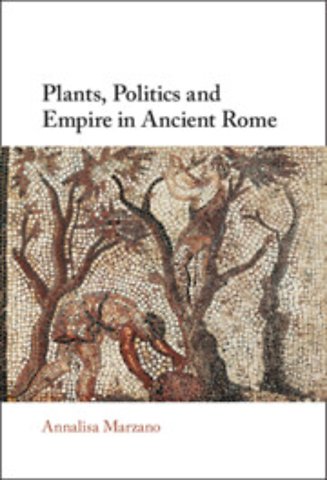
Plants, Politics and Empire in Ancient Rome
Samenvatting
The book investigates the cultural and political dimension of Roman arboriculture and the associated movement of plants from one corner of the empire to the other. It uses the convergent perspectives offered by textual and archaeological sources to sketch a picture of large-scale arboriculture as a phenomenon primarily driven by elite activity and imperialism. Arboriculture had a clear cultural role in the Roman world: it was used to construct the public persona of many elite Romans, with the introduction of new plants from far away regions or the development of new cultivars contributing to the elite competitive display. Exotic plants from conquered regions were also displayed as trophies in military triumphs, making plants an element of the language of imperialism. Annalisa Marzano argues that the Augustan era was a key moment for the development of arboriculture and identifies colonists and soldiers as important agents contributing to plant dispersal and diversity.
Specificaties
Inhoudsopgave
Net verschenen
Rubrieken
- aanbestedingsrecht
- aansprakelijkheids- en verzekeringsrecht
- accountancy
- algemeen juridisch
- arbeidsrecht
- bank- en effectenrecht
- bestuursrecht
- bouwrecht
- burgerlijk recht en procesrecht
- europees-internationaal recht
- fiscaal recht
- gezondheidsrecht
- insolventierecht
- intellectuele eigendom en ict-recht
- management
- mens en maatschappij
- milieu- en omgevingsrecht
- notarieel recht
- ondernemingsrecht
- pensioenrecht
- personen- en familierecht
- sociale zekerheidsrecht
- staatsrecht
- strafrecht en criminologie
- vastgoed- en huurrecht
- vreemdelingenrecht