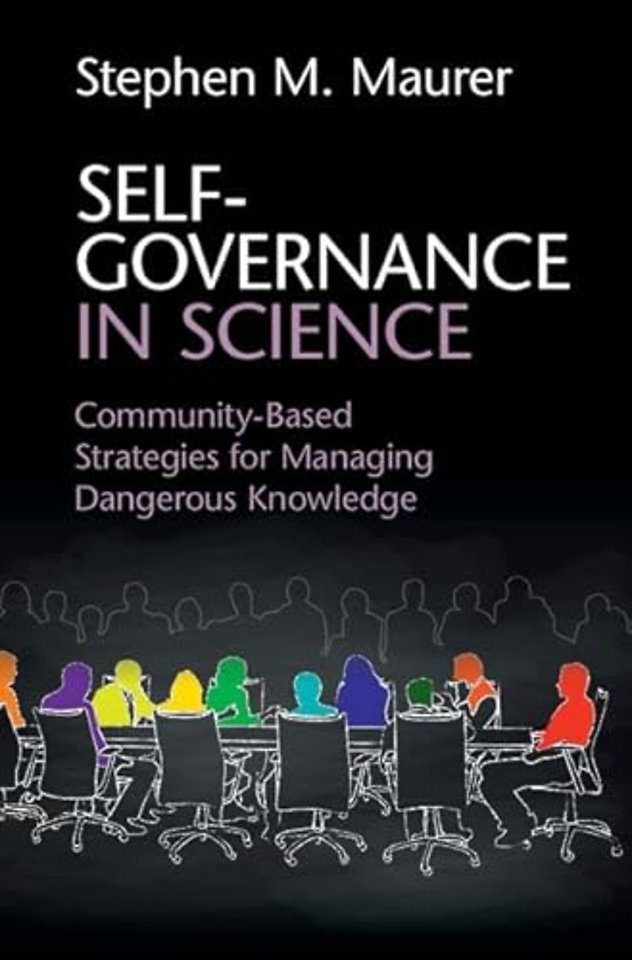
Self-Governance in Science
Community-Based Strategies for Managing Dangerous Knowledge
Samenvatting
Commercial and academic communities use private rules to regulate everything from labor conditions to biological weapons. This self-governance is vital in the twenty-first century, where private science and technology networks cross so many borders that traditional regulation and treaty solutions are often impractical. Self-Governance in Science analyzes the history of private regulation, identifies the specific market factors that make private standards stable and enforceable, explains what governments can do to encourage responsible self-regulation, and asks when private power might be legitimate. Unlike previous books which stress sociology or political science perspectives, Maurer emphasizes the economic roots of private power to deliver a coherent and comprehensive account of recent scholarship. Individual chapters present a detailed history of past self-government initiatives, describe the economics and politics of private power, and extract detailed lessons for law, legitimacy theory, and public policy.
Specificaties
Inhoudsopgave
Net verschenen
Rubrieken
- aanbestedingsrecht
- aansprakelijkheids- en verzekeringsrecht
- accountancy
- algemeen juridisch
- arbeidsrecht
- bank- en effectenrecht
- bestuursrecht
- bouwrecht
- burgerlijk recht en procesrecht
- europees-internationaal recht
- fiscaal recht
- gezondheidsrecht
- insolventierecht
- intellectuele eigendom en ict-recht
- management
- mens en maatschappij
- milieu- en omgevingsrecht
- notarieel recht
- ondernemingsrecht
- pensioenrecht
- personen- en familierecht
- sociale zekerheidsrecht
- staatsrecht
- strafrecht en criminologie
- vastgoed- en huurrecht
- vreemdelingenrecht