
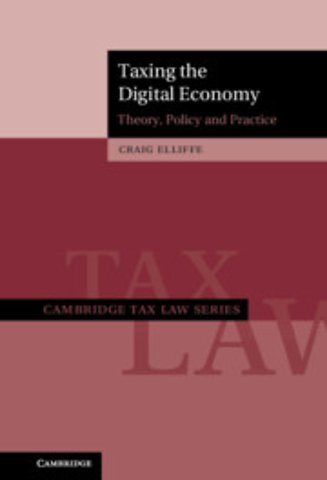
Taxing the Digital Economy
Theory, Policy and Practice
Samenvatting
The question of how to tax multinational companies that operate highly digitalised business models is one of the most contested areas of international taxation. The tax paid in the jurisdictions in which these companies operate has not kept pace with their immense growth and the OECD has proposed a new international tax compromise that will allocate taxing rights to market jurisdictions and remove the need to have a physical presence in the taxing jurisdictions in order to sustain taxability. In this work, Craig Elliffe explains the problems with the existing international tax system and its inability to respond to challenges posed by digitalised companies. In addition to looking at how the new international tax rules will work, Elliffe assesses their likely effectiveness and highlights features that are likely to endure in the next waves of international tax reform.
Specificaties
Inhoudsopgave
Net verschenen
Rubrieken
- aanbestedingsrecht
- aansprakelijkheids- en verzekeringsrecht
- accountancy
- algemeen juridisch
- arbeidsrecht
- bank- en effectenrecht
- bestuursrecht
- bouwrecht
- burgerlijk recht en procesrecht
- europees-internationaal recht
- fiscaal recht
- gezondheidsrecht
- insolventierecht
- intellectuele eigendom en ict-recht
- management
- mens en maatschappij
- milieu- en omgevingsrecht
- notarieel recht
- ondernemingsrecht
- pensioenrecht
- personen- en familierecht
- sociale zekerheidsrecht
- staatsrecht
- strafrecht en criminologie
- vastgoed- en huurrecht
- vreemdelingenrecht