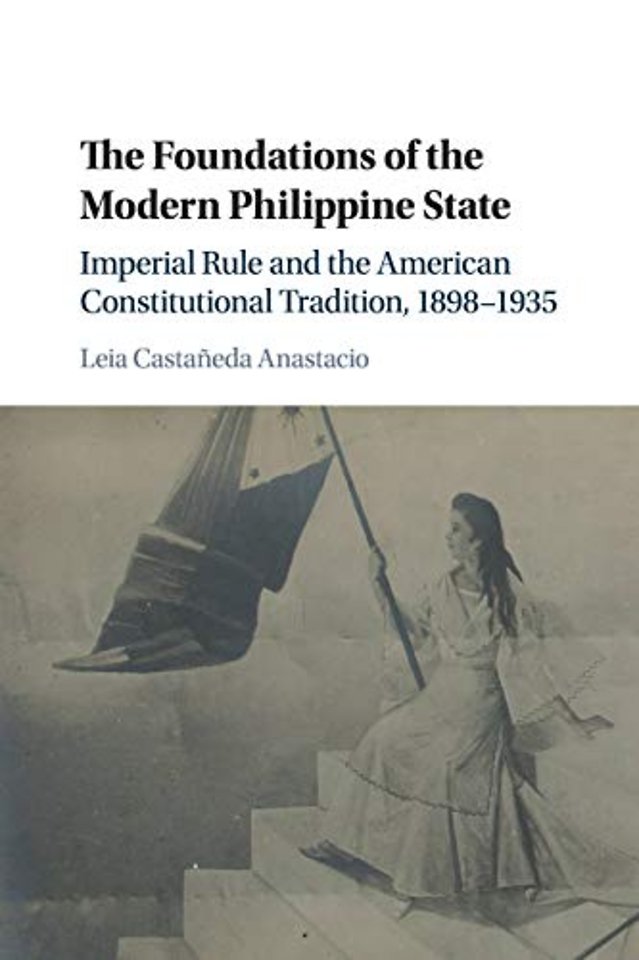
The Foundations of the Modern Philippine State
Imperial Rule and the American Constitutional Tradition in the Philippine Islands, 1898–1935
Samenvatting
The US occupation of the Philippine Islands in 1898 began a foundational period of the modern Philippine state. With the adoption of the 1935 Philippine Constitution, the legal conventions for ultimate independence were in place. In this time, American officials and their Filipino elite collaborators established a representative, progressive, yet limited colonial government that would modernize the Philippine Islands through colonial democracy and developmental capitalism. Examining constitutional discourse in American and Philippine government records, academic literature, newspaper and personal accounts, The Foundations of the Modern Philippine State concludes that the promise of America's liberal empire was negated by the imperative of insulating American authority from Filipino political demands. Premised on Filipino incapacity, the colonial constitution weakened the safeguards that shielded liberty from power and unleashed liberalism's latent tyrannical potential in the name of civilization. This forged a constitutional despotism that haunts the Islands to this day.
Specificaties
Inhoudsopgave
Net verschenen
Rubrieken
- aanbestedingsrecht
- aansprakelijkheids- en verzekeringsrecht
- accountancy
- algemeen juridisch
- arbeidsrecht
- bank- en effectenrecht
- bestuursrecht
- bouwrecht
- burgerlijk recht en procesrecht
- europees-internationaal recht
- fiscaal recht
- gezondheidsrecht
- insolventierecht
- intellectuele eigendom en ict-recht
- management
- mens en maatschappij
- milieu- en omgevingsrecht
- notarieel recht
- ondernemingsrecht
- pensioenrecht
- personen- en familierecht
- sociale zekerheidsrecht
- staatsrecht
- strafrecht en criminologie
- vastgoed- en huurrecht
- vreemdelingenrecht