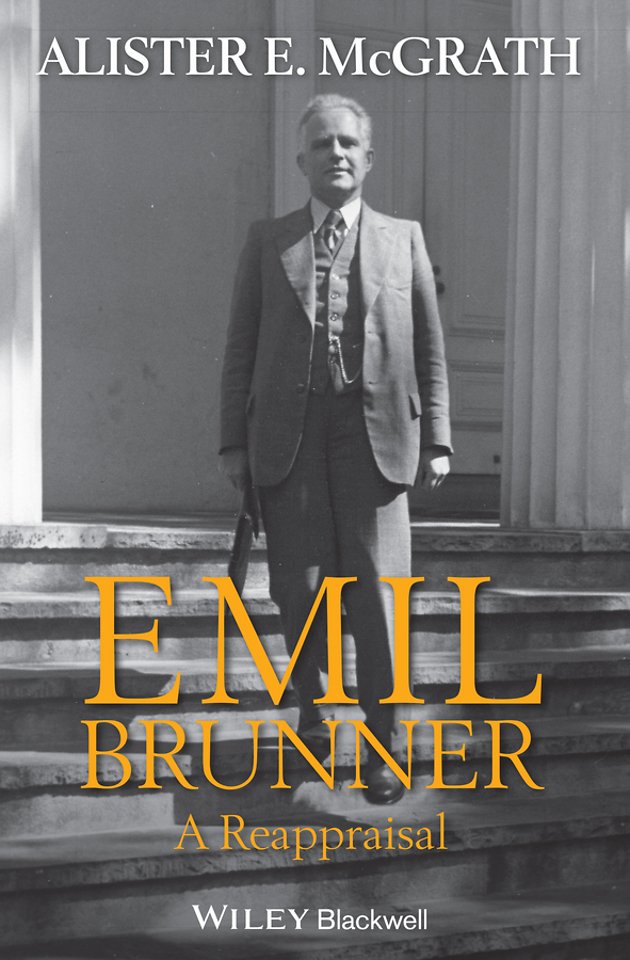

AE McGrath
John Wiley & Sons
e druk, 2016
9781119283416
Emil Brunner – A Reappraisal
A Reappraisal
Specificaties
Paperback, 264 blz.
|
Engels
John Wiley & Sons |
e druk, 2016
ISBN13: 9781119283416
Rubricering
Juridisch
:
Levertijd ongeveer 9 werkdagen
Gratis verzonden
Samenvatting
In Emil Brunner: A Reappraisal, renowned theologian Alister E. McGrath presents a comprehensive intellectual history of Emil Brunner, the highly influential Swiss theologian who was instrumental in shaping modern Protestant theology.
Explores Brunner s theological development and offers a critical engagement of his theology
Examines the role that Brunner played in shaping the characteristics of dialectical theology
Reveals the complex and shifting personal and professional relationship between Brunner and Barth
Delves into the reasons for Brunner s contemporary neglect in theological scholarship
Represents the only book–length study of Brunner s works and significance in the English language
Specificaties
Inhoudsopgave
Preface ix
<p>A Note on Translations and Editions xiii</p>
<p>1 Emil Brunner: The Origins of a Theological Mind, 1914 1924 1</p>
<p>Theological Studies at Zurich 2</p>
<p>Pastoral Ministry and Contacts in England 4</p>
<p>The Swiss Crisis of Identity, 1914 1919 6</p>
<p>Brunner and Dialectical Theology: The Origins of an Ambivalent Relationship 9</p>
<p>Brunner in America, 1919 1920 12</p>
<p>Brunner, Barth, and Thurneysen: Continuing Debate 13</p>
<p>The Quest for Recognition: Erlebnis, Erkenntnis und Glaube (1921 2) 16</p>
<p>Brunner and American Psychology of Religion 18</p>
<p>The Limits of Humanity: Reflections on Revelation and Reason (1922) 22</p>
<p>The Critique of Schleiermacher: Die Mystik und das Wort (1924) 25</p>
<p>Part I The Making of a Dialectical Theologian 29</p>
<p>2 Brunner s Theology of Crisis: Critique and Construction, 1924 1929 31</p>
<p>The 1925 Inaugural Lecture at Zurich: Revelation and Theology 32</p>
<p>Reason and Theology: An Ecclesial Engagement (1927) 34</p>
<p>The Mediator: A Manifesto for Dialectical Theology (1927) 39</p>
<p>The Trinity: Dogma, not Kerygma 50</p>
<p>The American Reception of the Theology of Crisis (1928) 54</p>
<p>3 Reflections on the Tasks of Theology, 1929 1933 61</p>
<p>Crisis: The Rise of Ideology in Western Europe, 1920 1935 62</p>
<p>Brunner s Challenge to Ideology: The Other Task of Theology (1929) 66</p>
<p>Presenting Dialectical Theology in Britain: The Word and the World (1931) 74</p>
<p>A Theological Ethics: The Divine Imperative (1932) 78</p>
<p>A Problematic Liaison: Brunner and the Oxford Group 85</p>
<p>The Work of the Holy Spirit: The Copenhagen Lectures (1934) 87</p>
<p>4 Natural Theology? The Barth Brunner Debate of 1934 90</p>
<p>Natural Theology: A Contested Notion 94</p>
<p>Karl Barth s Views on Natural Theology, 1918 1933 101</p>
<p>A Game–Changer: The Nazi Power Grab of 1933 105</p>
<p>Brunner s Public Criticism of Barth: Nature and Grace (1934) 113</p>
<p>Brunner s Later Views on Natural Theology: Revelation and Reason (1941) 121</p>
<p>Barth s Response: No! (1934) 127</p>
<p>5 Brunner s Theological Anthropology: Man in Revolt (1937) 133</p>
<p>The Need for a Theological Anthropology 134</p>
<p>The Impossibility of an Objective Anthropology 136</p>
<p>The Dependence of Humanity on God 140</p>
<p>The Contradiction within Humanity 142</p>
<p>The Image of God and Human Identity 145</p>
<p>Humanity and Evolution: The Limits of Darwinism 148</p>
<p>6 Objectivity and Subjectivity in Theology: Truth as Encounter (1937) 154</p>
<p>Object and Subject in Theology: The Context to Brunner s Thought 155</p>
<p>Objectivity and Subjectivity: Brunner s Criticism of Existing Paradigms 161</p>
<p>Overcoming the Object–Subject Impasse: Brunner s Strategy 166</p>
<p>The Implications of Brunner s Notion of Truth as Encounter 169</p>
<p>America: The Call to Princeton Theological Seminary, 1937 1939 172</p>
<p>Part II Consolidation: Brunner s Vision for Post–War Theological Reconstruction 179</p>
<p>7 Brunner s Vision for the Christian Community: The Church, State, and Culture 181</p>
<p>The Ideological Origins of Totalitarianism 182</p>
<p>An Antidote to Totalitarianism: The Renewal of Natural Law 185</p>
<p>The Need for Theological Reconstruction: Revelation and Reason (1941) 190</p>
<p>The Christian State: A Modest Theological Proposal 195</p>
<p>Rediscovering the Church as Community: Brunner s Ecclesiology 199</p>
<p>8 Teacher and Preacher: Brunner as a Public Intellectual 205</p>
<p>Rector of the University of Zurich, 1942 1943 206</p>
<p>The Catechist: Our Faith (1935) 207</p>
<p>The Fraumünster Sermons: Brunner as Preacher 210</p>
<p>The Public Lecturer: The Scandal of Christianity 214</p>
<p>Theological Education: Brunner s Dogmatics 218</p>
<p>Tokyo: Brunner s Engagement with Asia 221</p>
<p>Final Illness and Death 223</p>
<p>9 Legacy: The Contemporary Significance of Emil Brunner s Theology 225</p>
<p>The Reformed Tradition: A Richer Range of Possibilities 228</p>
<p>A Theology of Nature: The Basis of Natural Law, Theology, and Science 229</p>
<p>Cultural Engagement: The Theological Foundations of Apologetics 231</p>
<p>Personalism: The Defence of Relational Identity 232</p>
<p>The Trinity: A Plea for Theological Modesty 234</p>
<p>Conclusion 237</p>
<p>Works by Emil Brunner Cited in This Study 239</p>
<p>Index 242</p>
<p>A Note on Translations and Editions xiii</p>
<p>1 Emil Brunner: The Origins of a Theological Mind, 1914 1924 1</p>
<p>Theological Studies at Zurich 2</p>
<p>Pastoral Ministry and Contacts in England 4</p>
<p>The Swiss Crisis of Identity, 1914 1919 6</p>
<p>Brunner and Dialectical Theology: The Origins of an Ambivalent Relationship 9</p>
<p>Brunner in America, 1919 1920 12</p>
<p>Brunner, Barth, and Thurneysen: Continuing Debate 13</p>
<p>The Quest for Recognition: Erlebnis, Erkenntnis und Glaube (1921 2) 16</p>
<p>Brunner and American Psychology of Religion 18</p>
<p>The Limits of Humanity: Reflections on Revelation and Reason (1922) 22</p>
<p>The Critique of Schleiermacher: Die Mystik und das Wort (1924) 25</p>
<p>Part I The Making of a Dialectical Theologian 29</p>
<p>2 Brunner s Theology of Crisis: Critique and Construction, 1924 1929 31</p>
<p>The 1925 Inaugural Lecture at Zurich: Revelation and Theology 32</p>
<p>Reason and Theology: An Ecclesial Engagement (1927) 34</p>
<p>The Mediator: A Manifesto for Dialectical Theology (1927) 39</p>
<p>The Trinity: Dogma, not Kerygma 50</p>
<p>The American Reception of the Theology of Crisis (1928) 54</p>
<p>3 Reflections on the Tasks of Theology, 1929 1933 61</p>
<p>Crisis: The Rise of Ideology in Western Europe, 1920 1935 62</p>
<p>Brunner s Challenge to Ideology: The Other Task of Theology (1929) 66</p>
<p>Presenting Dialectical Theology in Britain: The Word and the World (1931) 74</p>
<p>A Theological Ethics: The Divine Imperative (1932) 78</p>
<p>A Problematic Liaison: Brunner and the Oxford Group 85</p>
<p>The Work of the Holy Spirit: The Copenhagen Lectures (1934) 87</p>
<p>4 Natural Theology? The Barth Brunner Debate of 1934 90</p>
<p>Natural Theology: A Contested Notion 94</p>
<p>Karl Barth s Views on Natural Theology, 1918 1933 101</p>
<p>A Game–Changer: The Nazi Power Grab of 1933 105</p>
<p>Brunner s Public Criticism of Barth: Nature and Grace (1934) 113</p>
<p>Brunner s Later Views on Natural Theology: Revelation and Reason (1941) 121</p>
<p>Barth s Response: No! (1934) 127</p>
<p>5 Brunner s Theological Anthropology: Man in Revolt (1937) 133</p>
<p>The Need for a Theological Anthropology 134</p>
<p>The Impossibility of an Objective Anthropology 136</p>
<p>The Dependence of Humanity on God 140</p>
<p>The Contradiction within Humanity 142</p>
<p>The Image of God and Human Identity 145</p>
<p>Humanity and Evolution: The Limits of Darwinism 148</p>
<p>6 Objectivity and Subjectivity in Theology: Truth as Encounter (1937) 154</p>
<p>Object and Subject in Theology: The Context to Brunner s Thought 155</p>
<p>Objectivity and Subjectivity: Brunner s Criticism of Existing Paradigms 161</p>
<p>Overcoming the Object–Subject Impasse: Brunner s Strategy 166</p>
<p>The Implications of Brunner s Notion of Truth as Encounter 169</p>
<p>America: The Call to Princeton Theological Seminary, 1937 1939 172</p>
<p>Part II Consolidation: Brunner s Vision for Post–War Theological Reconstruction 179</p>
<p>7 Brunner s Vision for the Christian Community: The Church, State, and Culture 181</p>
<p>The Ideological Origins of Totalitarianism 182</p>
<p>An Antidote to Totalitarianism: The Renewal of Natural Law 185</p>
<p>The Need for Theological Reconstruction: Revelation and Reason (1941) 190</p>
<p>The Christian State: A Modest Theological Proposal 195</p>
<p>Rediscovering the Church as Community: Brunner s Ecclesiology 199</p>
<p>8 Teacher and Preacher: Brunner as a Public Intellectual 205</p>
<p>Rector of the University of Zurich, 1942 1943 206</p>
<p>The Catechist: Our Faith (1935) 207</p>
<p>The Fraumünster Sermons: Brunner as Preacher 210</p>
<p>The Public Lecturer: The Scandal of Christianity 214</p>
<p>Theological Education: Brunner s Dogmatics 218</p>
<p>Tokyo: Brunner s Engagement with Asia 221</p>
<p>Final Illness and Death 223</p>
<p>9 Legacy: The Contemporary Significance of Emil Brunner s Theology 225</p>
<p>The Reformed Tradition: A Richer Range of Possibilities 228</p>
<p>A Theology of Nature: The Basis of Natural Law, Theology, and Science 229</p>
<p>Cultural Engagement: The Theological Foundations of Apologetics 231</p>
<p>Personalism: The Defence of Relational Identity 232</p>
<p>The Trinity: A Plea for Theological Modesty 234</p>
<p>Conclusion 237</p>
<p>Works by Emil Brunner Cited in This Study 239</p>
<p>Index 242</p>
Net verschenen
Rubrieken
- aanbestedingsrecht
- aansprakelijkheids- en verzekeringsrecht
- accountancy
- algemeen juridisch
- arbeidsrecht
- bank- en effectenrecht
- bestuursrecht
- bouwrecht
- burgerlijk recht en procesrecht
- europees-internationaal recht
- fiscaal recht
- gezondheidsrecht
- insolventierecht
- intellectuele eigendom en ict-recht
- management
- mens en maatschappij
- milieu- en omgevingsrecht
- notarieel recht
- ondernemingsrecht
- pensioenrecht
- personen- en familierecht
- sociale zekerheidsrecht
- staatsrecht
- strafrecht en criminologie
- vastgoed- en huurrecht
- vreemdelingenrecht