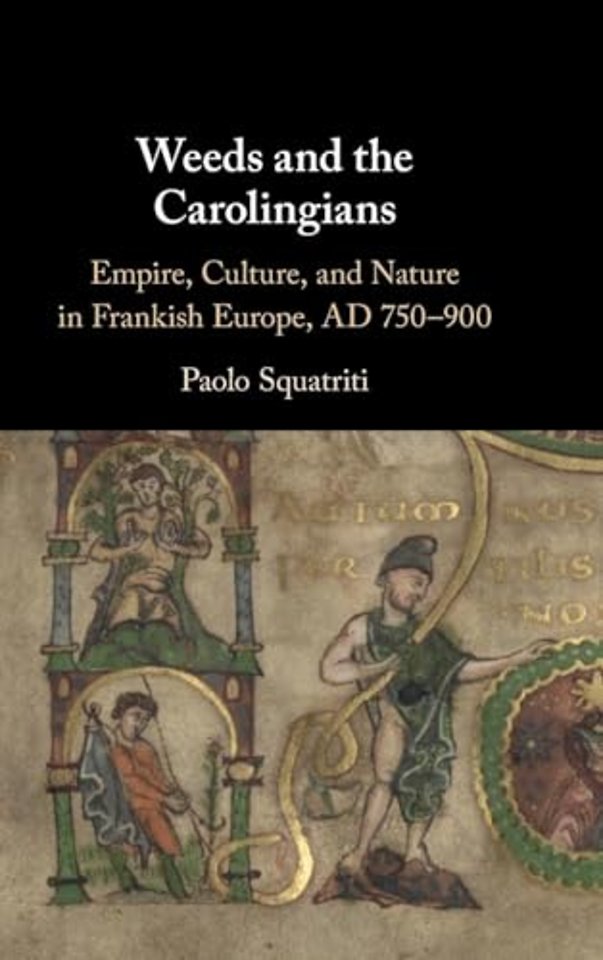
Weeds and the Carolingians
Empire, Culture, and Nature in Frankish Europe, AD 750–900
Samenvatting
Why did weeds matter in the Carolingian empire? What was their special significance for writers in eighth- and ninth-century Europe and how was this connected with the growth of real weeds? In early medieval Europe, unwanted plants that persistently appeared among crops created extra work, reduced productivity, and challenged theologians who believed God had made all vegetation good. For the first time, in this book weeds emerge as protagonists in early medieval European history, driving human farming strategies and coloring people's imagination. Early medieval Europeans' effort to create agroecosystems that satisfied their needs and cosmologies that confirmed Christian accounts of vegetable creation both had to come to terms with unruly plants. Using diverse kinds of texts, fresh archaeobotanical data, and even mosaics, this interdisciplinary study reveals how early medieval Europeans interacted with their environments.
Specificaties
Inhoudsopgave
Net verschenen
Rubrieken
- aanbestedingsrecht
- aansprakelijkheids- en verzekeringsrecht
- accountancy
- algemeen juridisch
- arbeidsrecht
- bank- en effectenrecht
- bestuursrecht
- bouwrecht
- burgerlijk recht en procesrecht
- europees-internationaal recht
- fiscaal recht
- gezondheidsrecht
- insolventierecht
- intellectuele eigendom en ict-recht
- management
- mens en maatschappij
- milieu- en omgevingsrecht
- notarieel recht
- ondernemingsrecht
- pensioenrecht
- personen- en familierecht
- sociale zekerheidsrecht
- staatsrecht
- strafrecht en criminologie
- vastgoed- en huurrecht
- vreemdelingenrecht