Electrochemistry
Samenvatting
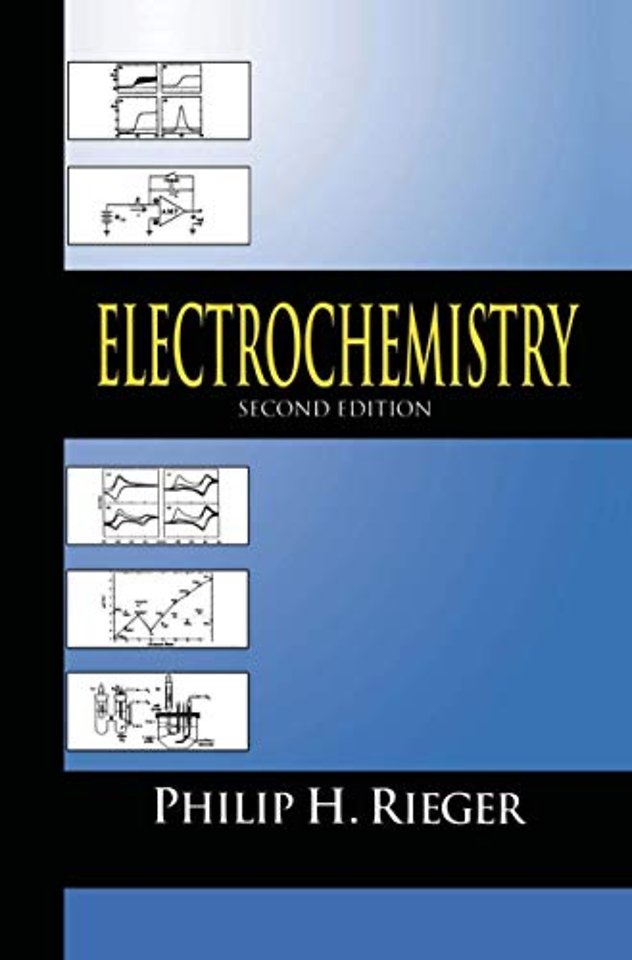
It has been fashionable to describe electrochemistry as a discipline at the interface between the branches of chemistry and many other sciences. A perusal of the table of contents will affirm that view. Electrochemistry finds applications in all branches of chemistry as well as in biology, biochemistry, and engineering; electrochemistry gives us batteries and fuel cells, electroplating and electrosynthesis, and a host of industrial and technological applications which are barely touched on in this book. However, I will maintain that electrochemistry is really a branch of physical chemistry. Electrochemistry grew out of the same tradition which gave physics the study of electricity and magnetism. The reputed founders of physical chemistry-Arrhenius, Ostwald, and van't Hoff-made many of their contributions in areas which would now be regarded as electrochemistry. With the post-World War II capture of physical chemistry by chemical physicists, electrochemists have tended to retreat into analytical chemistry, thus defining themselves out of a great tradition. G. N. Lewis defined physical chemistry as "the study of that which is interesting." I hope that the readers of this book will find that electrochemistry qualifies.
Specificaties
Inhoudsopgave
Net verschenen
Rubrieken
- aanbestedingsrecht
- aansprakelijkheids- en verzekeringsrecht
- accountancy
- algemeen juridisch
- arbeidsrecht
- bank- en effectenrecht
- bestuursrecht
- bouwrecht
- burgerlijk recht en procesrecht
- europees-internationaal recht
- fiscaal recht
- gezondheidsrecht
- insolventierecht
- intellectuele eigendom en ict-recht
- management
- mens en maatschappij
- milieu- en omgevingsrecht
- notarieel recht
- ondernemingsrecht
- pensioenrecht
- personen- en familierecht
- sociale zekerheidsrecht
- staatsrecht
- strafrecht en criminologie
- vastgoed- en huurrecht
- vreemdelingenrecht